
Spring Mountain's omakase counter, calibrated for precision
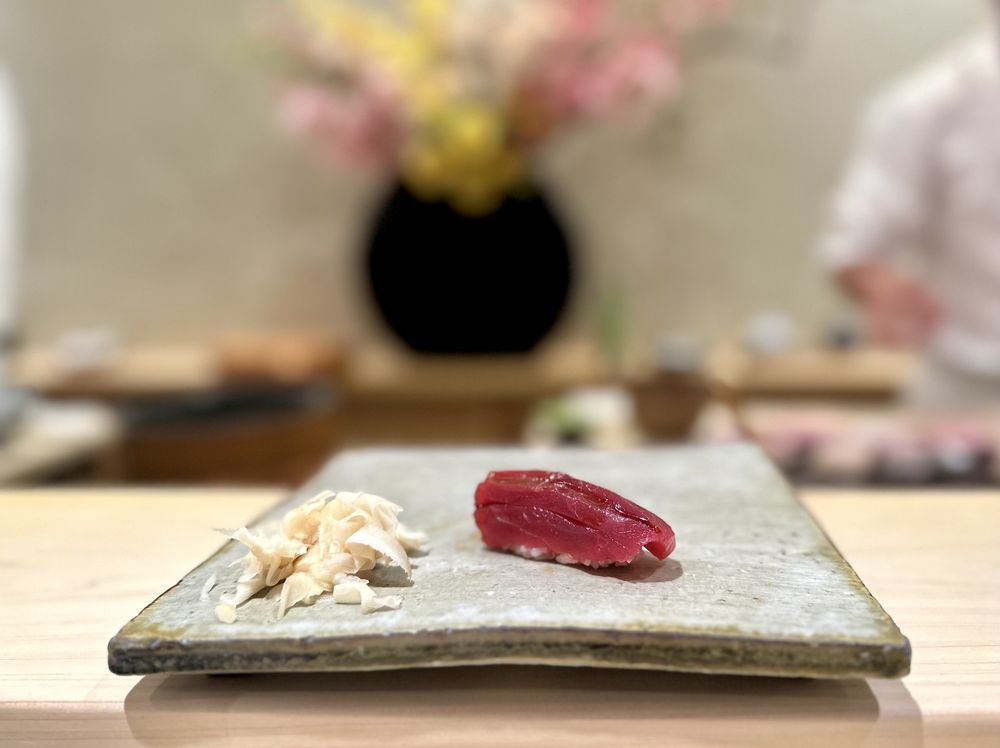
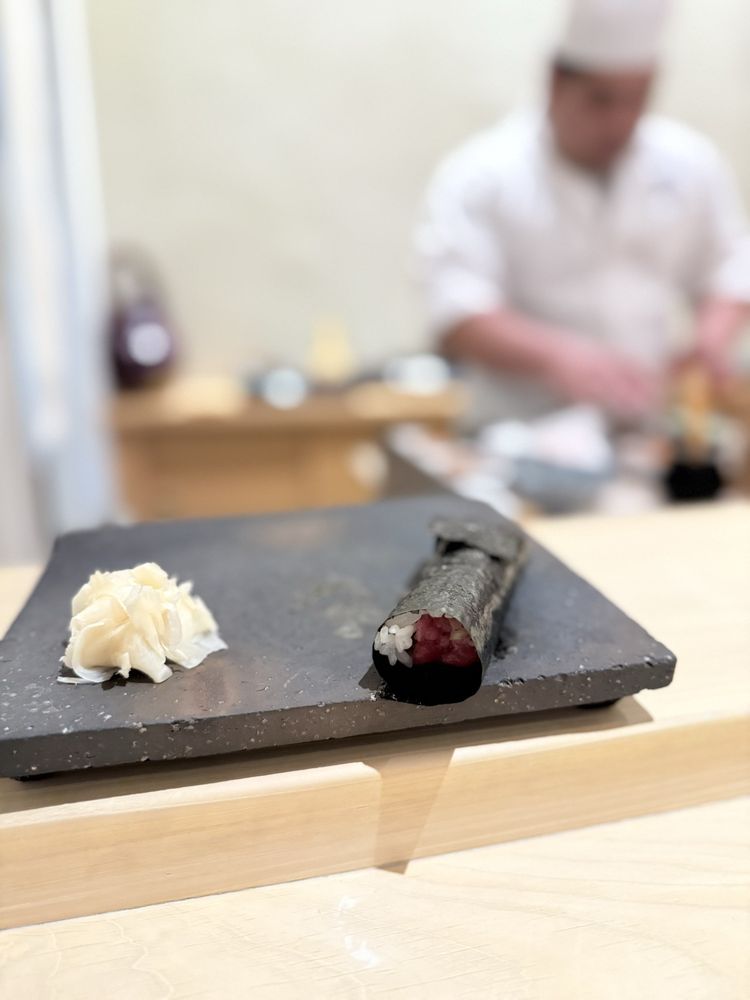
Kabuto sits at the top end of the Spring Mountain corridor's price tier, running a prix-fixe omakase format in a room built for that specific transaction. The concept is focused: a set progression of nigiri and sashimi, chef-selected and seasonally driven, with supplemental courses available for those who want to extend the sequence. The fish quality is the argument the room makes for itself, and the argument holds. The nigiri arrives precut and placed by the chef, each piece reflecting sourcing decisions made before service rather than improvisation at the counter. That precision is the point.
The seasonal sashimi selection shifts with what the kitchen is buying, which means the menu reads differently depending on when a table sits down. Spring Mountain runs deep enough in Japanese and Japanese-adjacent dining that a room has to justify its price; Kabuto's justification is the sourcing and the format's discipline. The prix-fixe structure removes negotiation from the meal and asks the diner to trust the progression. At the $75-per-person entry tier, that trust is the product.
The corridor around it is dense with capable Japanese cooking at lower price points, which sharpens the question every omakase counter in Chinatown has to answer: does the experience justify the gap. Kabuto's answer is the quality of the protein and the tightness of the format, not spectacle or tableside theatre. The room draws celebrations, anniversaries, and the kind of occasion where the price point is part of the signal. Walk-in availability at a counter of this caliber is the exception rather than the norm; the operating pattern reads as a reservations room. The supplemental courses allow guests to build past the base menu, which is the right move for anyone treating the meal as a full evening rather than an efficient dinner.