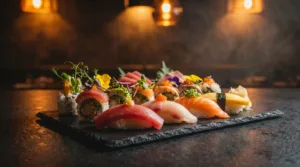
The 10 best sushi in Las Vegas, Kabuto omakase, Smile Shota, Sumo Sushi, Sumo Hotpot, Ari Sushi & Izakaya, ITs IZAKAYA, Toro sushi, TARU, Sushi & Shabu Time, Mr. Shota.

Las Vegas sushi splits across three tiers, the destination-omakase kitchens (Kabuto on Spring Mountain, Kame Omakase, Sushi Hiroyoshi), the AYCE-volume rooms (Smile Shota, Sumo Sushi, Mr. Shota, Neko Supremo), and the cross-format izakaya-and-sushi kitchens (ITs IZAKAYA, Ari Sushi & Izakaya, Sushi & Shabu Time). Spring Mountain Road holds the corridor concentration; Sumo Sushi at Warm Springs and Ari at Rainbow extend the reach to the southwest valley.
Fifteen cleared that bar; the 10 below cover the format range and geographic spread.
The thesis: Vegas sushi runs across three tiers, omakase destinations, AYCE volume rooms, izakaya cross-format kitchens. The 11 below are the rating leaders across all three.
The lemon salmon roll at 8610 Spring Mountain, the citrus-and-salmon balance is the kitchen's signature, and regulars come back for it specifically rather than treating it as one option among many. The AYCE sushi menu runs at a quality tier most AYCE rooms don't reach, with specialty rolls made to order. The fish arrives at a different standard than the discount-AYCE default, which is the argument for Smile Shota over the lower-tier AYCE alternatives.
What to orderLemon salmonPhiladelphia rollAll-you-can-eat sushi Call Directions +Read the reviewThe lemon salmon appears often enough in the review record to qualify as the room's most-named single item.
The super Philadelphia roll surfaces alongside the lemon salmon as the pairing regulars mention when describing a complete order.
The all-you-can-eat format runs at upscale pricing, and reviews suggest the kitchen treats it as a full-service meal rather than a throughput operation.
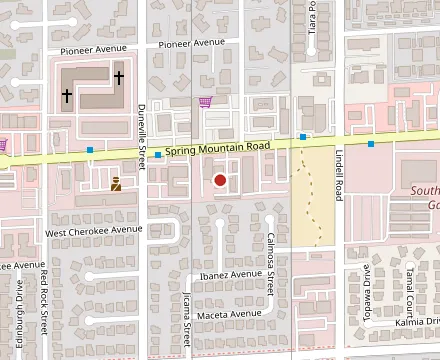
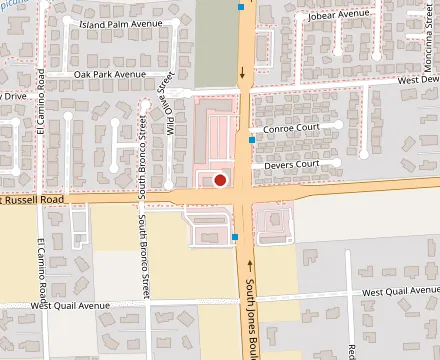
Smile Shota runs the all-you-can-eat sushi program the Spring Mountain corridor demands: enough volume to satisfy a table of six, enough care in execution to keep the regulars coming back. Spring Valley sits just south of the Chinatown food spine, and Smile Shota operates in that zone where the everyday locals' room and the upscale-leaning dining experience find each other. The price point reads upscale for the format, but the AYCE structure means the value proposition is real if the table commits to the evening.
The lemon salmon is the signature order, and it earns that status. The brightness of the preparation sets it apart from the standard salmon nigiri rotation, and the repeat-visit record from regulars suggests it holds up across visits rather than peaking on first encounter. The super Philadelphia roll rounds out the short list of things to order by name: a familiar format executed well enough that it gets cited alongside the lemon salmon as a reason to return. The AYCE menu gives the table room to explore beyond those anchors, but those two dishes function as the reliable through-line regardless of how broadly the group orders.
Service is the room's clearest differentiator. Named servers appear again and again as the reason a table came back, a pattern that points to a front-of-house operating at a standard above what the AYCE format typically produces. Attentive, friendly, and consistent across a busy table are the terms that define the experience here. For a format where service can easily become transactional, that floor-level care is a real competitive advantage.
Smile Shota draws groups: the AYCE structure is built for shared tables, and the late-night vibe tag means the room keeps going when other spots on the westside are winding down. The room is for diners who want serious sushi volume with service that makes the evening feel like more than a transaction.
© OpenStreetMap
The lemon salmon and super Philadelphia roll are the anchors; order both early in the AYCE rotation and judge the rest of the menu from there. The room runs late, which makes it a workable option when most of Spring Valley has already closed the kitchen.
More from the GuidesThe Best Restaurants in Laughlin (2026)№ 1: Saltgrass Steak House
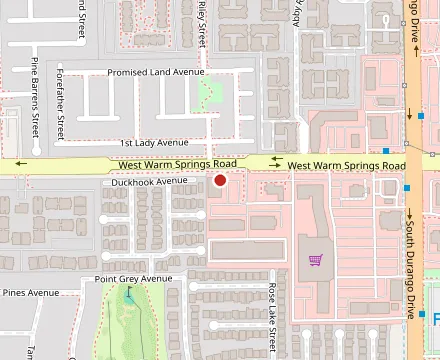
More from the Guides10 Best Restaurants in Mesquite, Nevada (2026)№ 1: Los Lupes | Mexican RestaurantThe southwest valley's AYCE sushi default at 8795 W Warm Springs Road has built its customer base from the Mountain's Edge, Rhodes Ranch, and nearby residential clusters, this is not a corridor-tourist room. Quality-controlled per-piece sizing holds at the kind of volume that tests kitchen consistency; each AYCE round arrives within fifteen minutes of order, and the pacing is part of what the room is doing right.
What to orderAYCE sushi tierSpecialty rollsNigiri selection Call Directions +Read the reviewAYCE sushi tier is the room's structural order; reviewers describe the format as the value play rather than as a quality compromise.
Specialty rolls back the nigiri program; the roll variety is what differentiates the menu from competing AYCE operations.
Nigiri selection runs broader than the corridor's standard AYCE rooms; reviewers cite the fish-quality range across the tier.
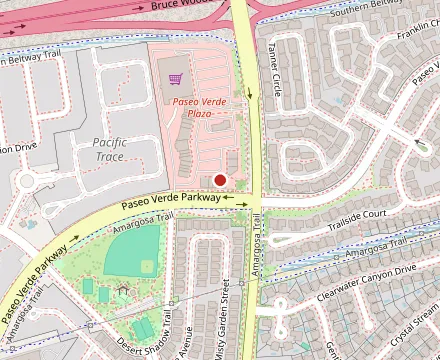
Sumo Sushi sits in the southwest valley's competitive sushi corridor, where all-you-can-eat sushi counters stack up at nearly every intersection. Earning return visits in that landscape requires more than a tiered pricing sheet, and Sumo makes its case on range and execution. The AYCE program runs deeper than most local competitors on variety, which matters: the difference between a forgettable AYCE room and a useful one is usually how many rolls a kitchen will actually commit to rather than list and avoid.
Specialty rolls are the real test of an AYCE program, and Sumo's selection holds up where others pad the count with low-effort options. Nigiri gets its own moment here, which is rarer in the AYCE format than it should be; the selection is broad enough to satisfy the diner who came for the fish itself rather than just the production of a roll. The room operates as a full-service table-service format, and the floor staff moves at a pace that keeps the AYCE experience from stalling into the long waits that kill the format elsewhere.
The late-night window extends the room's utility in a valley where casino-worker schedules and post-event dining create real demand past 10 PM. At an upscale price point for the AYCE format, Sumo positions above the budget strip-mall competition; what justifies that positioning is the combination of variety, service pace, and a room that reads as a destination rather than a fallback. Family-friendly across the board, casual enough that the table doesn't feel like an occasion, but put-together enough that it works for one.
© OpenStreetMap
The specialty rolls are the argument for the higher tier. Start there before working through nigiri. The late-night window is real, which makes this one of the more reliable post-shift options in the southwest valley.
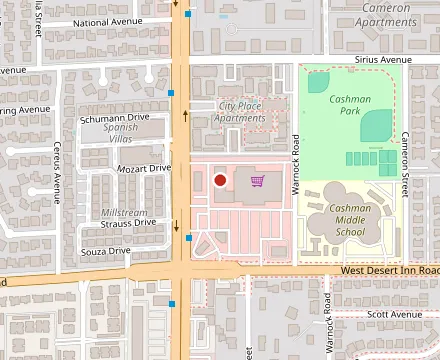
The cross-format identity at 4860 W Desert Inn Road is the kitchen's competitive moat, hot-pot mushroom broth and sushi roll selection run alongside each other at a rating that holds through the complexity of managing both formats under one roof. Desert Inn Road in the central valley gives Sumo Hotpot a geographic reach the Spring Mountain corridor rooms don't have.
What to orderHot-pot mushroom brothSushi roll selectionSashimi platter Call Directions +Read the reviewHot-pot mushroom broth is the format's lead order; reviewers describe the variety as the kitchen's structural signature.
Sushi roll selection runs adjacent to the hot-pot side; the roll construction earns specific callouts.
Sashimi platter is the upscale-tier order at the format's high price point.
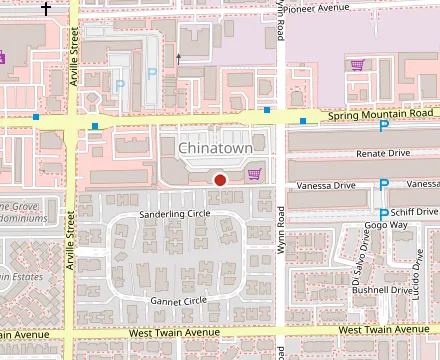
Sumo Hotpot and Sushi runs an unusual dual mandate on Spring Mountain: a hot-pot program built around a mushroom broth diners keep singling out, and a sushi counter turning out rolls and sashimi platters at the same clip. That combination is not common in the corridor, where most rooms specialize in one Asian cuisine cluster or the other. Sumo sits at the upscale tier of both, which means the room is pricing itself against Chinatown's higher-end Japanese and Korean options rather than the counter-service hot-pot spots nearby. The mushroom broth is the throughline in how people talk about the kitchen: it reads as the dish that convinces skeptics a hot-pot base can carry real depth without meat stock.
The sashimi platter and roll selection carry the sushi side, and the fact that both formats get named as favorites in the same visit suggests a kitchen that is not treating one as a loss leader for the other. Ticket speed is part of the story here too. Multiple accounts describe food arriving inside five to ten minutes, which is fast for a hot-pot room where broth and par-cooked components usually extend the wait. That turnaround matters for a late-night, modern-set dining room in a neighborhood built on quick turns and repeat visits.
Service gets named specifically and repeatedly, with servers checking back and moving dishes quickly rather than letting a table sit. For Chinatown, an upscale hot-pot and sushi hybrid is a specific bet: it is not competing with the $15 pho counters on the same stretch, and it is not trying to be an omakase room either. It is positioned for a diner who wants both formats done well in one sitting, at a modern-dining price point, with service fast enough to support a late crowd. The repeat-visit pattern in the record, people naming the same servers on a third trip, points to a room that has built a following on consistency rather than novelty.
© OpenStreetMap
Order the mushroom broth as the hot-pot base and pair it with the sashimi platter rather than treating the two menus as separate meals. The kitchen turns tickets fast, which makes this workable even with both formats on one table.
More from the GuidesThe Best Restaurants in Bullhead City, AZ (2026)№ 1: Bonito Guadalajara
More from the GuidesBest Pastrami in Henderson (2026)№ 1: Golden Boy Market & DeliThe sushi-and-izakaya format at 7480 S Rainbow Boulevard runs the sashimi platter and izakaya small plates as co-anchors, a different format from the AYCE rooms, and the reason to come here over a standard sushi counter. The southwest valley address and the discovery-tier volume mean the room runs without the Spring Mountain corridor's weekend pressure; a realistic walk-in on a Tuesday.
What to orderSashimi platterIzakaya small platesNigiri Call Directions +Read the reviewThe sashimi here draws specific attention for its visual presentation, with reviewers describing it as among the most carefully prepared they have encountered.
The izakaya small plates run alongside the sushi menu, giving the table a second track of à la carte options that regulars treat as a separate order rather than a supplement.
Nigiri is the workhorse of the à la carte format, ordered piecemeal by regulars who return often enough to know which cuts to prioritize.
Ari Sushi & Izakaya sits in the southwest valley's newer sprawl, a stretch of Enterprise where the pour of concrete has outpaced the restaurant count, and the room's approach to sashimi says something about who it is trying to reach. A sashimi platter arrives composed enough that servers walk the table through each section of fish, naming what is what before anyone picks up chopsticks. That is not a small operational choice. A counter running through volume does not stop to narrate a plate, and a room that treats fish as ala carte churn does not build a presentation worth explaining. Ari's kitchen is doing something closer to a tasting sequence dressed as a sushi bar menu.
The rest of the format backs that reading up. Nigiri and izakaya small plates round out a menu built for grazing rather than a fixed omakase sequence, which keeps the price moderate and the room accessible for a Tuesday rather than reserved for a celebration. That is the Enterprise dining pattern generally: newer, mid-priced sit-down rooms filling in around master-planned neighborhoods where the Strip has no reach and no reason to. Freshness on the fish gets flagged consistently enough, including from customers who order to go and have never sat down inside, which points to a kitchen whose fish program holds up outside the dining room's presentation, not just inside it. That split matters for who the room serves.
It works as a date-night sashimi order where the tableside explanation becomes part of the evening, and it works just as well as a to-go order for someone who wants better fish than a strip-mall counter without the wait or the theater. Casual on one end, considered on the other, at the same price point. For a southwest valley still filling in its restaurant map, a sushi room willing to slow down and narrate its own sashimi is a specific kind of local anchor, not a showpiece, but a dependable one.
© OpenStreetMap
Order the sashimi platter and let the table walk through it rather than diving in immediately, that presentation is the point of the visit. If dining in isn't the plan, the ala carte sushi still travels well for a home order.
More from the GuidesBest Oysters in Henderson (2026)№ 1: Crab N Spice - Henderson
More from the GuidesBest Peruvian Restaurants in Las Vegas (2026)№ 1: Peru Chicken RotisserieThe omakase specialist at 5040 Spring Mountain Road runs the focused-omakase format: diners commit to the chef's progression rather than à la carte ordering, and the room is small enough that the counter experience is the point. The Spring Mountain location puts Kabuto in the corridor's omakase cluster alongside Kame, and the review depth signals the kitchen has held format consistency across years, not just a recent arrival.
What to orderOmakase prix-fixe nigiriSeasonal sashimi selectionChef's supplemental courses Book a table Call Directions +Read the reviewThe omakase prix-fixe moves through multiple fish in sequence, with variety and freshness named as the consistent strengths by reviewers.
The seasonal sashimi selection draws repeated mentions of fish quality; reviewers cite it as evidence the kitchen is sourcing well above the neighborhood average.
Supplemental courses in the omakase sequence extend the meal beyond the core fish run, providing range across the prix-fixe arc.
Kabuto sits at the top end of the Spring Mountain corridor's price tier, running a prix-fixe omakase format in a room built for that specific transaction. The concept is focused: a set progression of nigiri and sashimi, chef-selected and seasonally driven, with supplemental courses available for those who want to extend the sequence. The fish quality is the argument the room makes for itself, and the argument holds. The nigiri arrives precut and placed by the chef, each piece reflecting sourcing decisions made before service rather than improvisation at the counter. That precision is the point.
The seasonal sashimi selection shifts with what the kitchen is buying, which means the menu reads differently depending on when a table sits down. Spring Mountain runs deep enough in Japanese and Japanese-adjacent dining that a room has to justify its price; Kabuto's justification is the sourcing and the format's discipline. The prix-fixe structure removes negotiation from the meal and asks the diner to trust the progression. At the $75-per-person entry tier, that trust is the product.
The corridor around it is dense with capable Japanese cooking at lower price points, which sharpens the question every omakase counter in Chinatown has to answer: does the experience justify the gap. Kabuto's answer is the quality of the protein and the tightness of the format, not spectacle or tableside theatre. The room draws celebrations, anniversaries, and the kind of occasion where the price point is part of the signal. Walk-in availability at a counter of this caliber is the exception rather than the norm; the operating pattern reads as a reservations room. The supplemental courses allow guests to build past the base menu, which is the right move for anyone treating the meal as a full evening rather than an efficient dinner.
© OpenStreetMap
The base prix-fixe is a complete meal, but the supplemental courses are where the kitchen shows range. Book ahead; the format is not built for walk-ins.
More from the GuidesBest Pasta in Las Vegas (2026)№ 1: Capo's Restaurant & Speakeasy
More from the GuidesBest Al Pastor in Las Vegas (2026)№ 1: KoMex FusionThe izakaya specialist at 5685 Spring Mountain Road happens to run a sushi menu, not a sushi room that happens to serve izakaya. The small-plates program runs at the cuisine-correct tier: yakitori, takoyaki, gyoza all standard. Kaisen is the kitchen's seasonal share specialty; sushi rolls are the cross-format addition; izakaya small plates cover the table across an evening.
What to orderKaisenSushi rollsIzakaya small plates Call Directions +Read the reviewThe kaisen is the most cited dish by name, with reviewers pointing to freshness as the consistent reason they return.
Sushi rolls span the menu broadly enough that the table typically orders several rounds rather than landing on one.
The small-plate izakaya format means the kitchen runs a wide range of composed bites alongside the raw bar program.
ITs Izakaya sits inside the Spring Mountain corridor doing the thing a proper izakaya menu is supposed to do: give a group of six a hundred small decisions instead of four big ones. The kaisen anchors the menu, and the fact that it gets singled out by returning customers rather than first-timers says something about the fish sourcing holding up over repeat visits, not just impressing on a single trip. A sushi bar can coast on a good first bowl. Keeping people coming back a year later on the same order means the case is turning over fast enough to stay honest.
Around that sits the standard izakaya build: rolls for the table, small plates meant to be split three and four ways, a menu long enough that a party of eight can each order something different and still overlap on half the table. That length is the point on a corridor built for grazing rather than a single entree decision. Chinatown's Spring Mountain density means ITs is competing against ramen counters, robata grills, and Thai kitchens within a five-minute walk, and a moderately priced izakaya earns its place there by being flexible: a couple on a date can work through four or five plates quietly, and a late-arriving group can still get fed a full menu without the kitchen visibly straining. Service speed shows up consistently in how people describe the room, which matters more for izakaya format than for a single-course dinner, since the whole model depends on plates landing steadily rather than all at once.
The late-night framing fits the neighborhood's rhythm, where post-shift and after-hours groups are a real customer base, not an afterthought. For a moderately priced room in one of the valley's most competitive corridors, the combination of fresh fish, a deep small-plates menu, and a kitchen that keeps the pace up for large tables is the actual argument for going.
© OpenStreetMap
Start with the kaisen and build outward with small plates for the table rather than committing early to rolls alone, and expect the kitchen to keep pace even if the group arrives late or runs large.
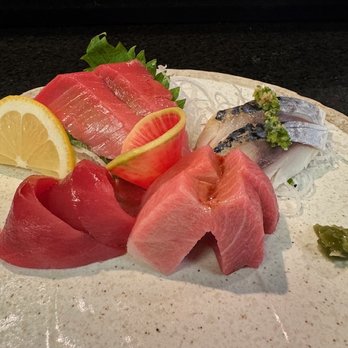
The toro (fatty tuna belly) program at 75 S Valle Verde Drive is what Henderson residents drive past other options for, most Henderson sushi rooms skip the premium cut. Toro nigiri is the kitchen's signature premium-cut bite; signature rolls are the cross-format share; the lunch sushi special is the mid-day anchor for the diner who wants the room without the dinner pricing.
What to orderNigiriSashimiRolls Call Directions +Read the reviewToro nigiri is the room's named cut; the toro fish quality is what reviewers describe as the kitchen's structural test.
Signature rolls back the nigiri program; reviewers describe the roll construction as the menu's secondary anchor.
Lunch sushi special is the value play that brings first-timers in and converts them to repeat customers.
Toro Sushi runs the model that Henderson's Water Street corridor keeps producing: a counter-service sushi room built for repeat customers rather than a single splashy visit. The menu leans on nigiri, sashimi, and rolls, the three pillars of any neighborhood sushi program, without the tasting-menu theater that a Strip omakase counter would build around the same fish. That's the structural tell. A room pricing itself as moderate and staffing as counter service is optimizing for the lunch-and-weeknight repeat visit, not the once-a-trip splurge, and the lunch program specifically appears to be doing real work pulling in customers who might otherwise default to a Strip name.
Henderson's sushi scene doesn't get the attention Spring Mountain's Chinatown corridor does, and that's mostly a geography problem, not a quality one. The city's own downtown around Water Street has built out a real independent dining base over the last decade, and a counter sushi room fits that pattern the same way a Green Valley Italian spot or a Water Street breakfast counter does: each corridor grows its own anchor by cuisine, and this is Henderson's answer for raw fish. The room's casual, local-favorite framing suggests it isn't chasing the visitor traffic that a Strip sushi bar depends on, and that changes what the kitchen has to be good at. A counter-service nigiri program lives or dies on rice temperature and cut consistency across hundreds of orders a week, not on a single showpiece dish.
The price tier matters here too. Moderate pricing on nigiri and sashimi in Las Vegas usually means a room calibrated for the neighborhood regular who orders the same three rolls every visit, not the diner comparing it against a Strip chef's-counter experience. That's a different, harder competition: consistency over spectacle, week after week, for a customer base that has plenty of other options within a short drive and keeps coming back anyway.
© OpenStreetMap
Go for lunch if the schedule allows it, that's where the value case is strongest, and stick to nigiri and sashimi over the rolls to judge the fish itself.
More from the GuidesBest Soul Food in Las Vegas: Local Favorites (2026)№ 1: Boss Daddy’s
More from the GuidesBest Hand-Pulled Noodles in Las Vegas (2026)№ 1: Shang Artisan NoodleThe focused sushi specialist at 4480 Spring Mountain Road runs nigiri, sashimi platter, and specialty rolls without the cross-format izakaya or shabu additions, the corridor's dedicated sushi-format room when the focused menu is the preference over the multi-format kitchen. The review base treats the room as a destination rather than a cross-format default; diners come specifically for sushi.
What to orderNigiriSashimi platterSpecialty rolls Call Directions +Read the reviewReviewers cite the nigiri selection as the anchor of the meal, with variety and freshness the most repeated observations.
The sashimi platter draws group orders; review accounts describe it as a centerpiece dish rather than a side consideration.
Specialty rolls round out the table order, appearing consistently in multi-item accounts alongside nigiri and sashimi.
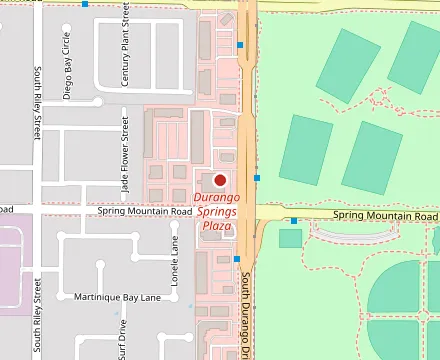
TARU sits on the Spring Mountain corridor as an upscale sushi room built for hours the rest of the valley has already closed for. The nigiri and sashimi platters carry the room's argument: fish quality that holds up against the Chinatown omakase competition even at eleven at night, with enough variety on the platter that a table ordering across nigiri, rolls, and sashimi together isn't repeating itself dish to dish. That's a different operating problem than a lunch-hour sushi counter solves. A kitchen that can staff and source for a nine or ten p.m. seating without the fish quality dropping off is making a bet on a specific customer, the post-concert, post-shift, post-Strip diner who wants a real meal at an hour when most rooms are steam-tabling the last of dinner service.
The specialty rolls read as the concession to that later crowd, more composed and more forgiving than a strict nigiri-only room, but the platters and straight nigiri orders are where the kitchen's sourcing shows. Chinatown's Japanese scene is deep enough that a late-night sushi room has to earn its place next to the ramen specialists and izakayas that also run past midnight on this stretch, and TARU's answer is consistency: the same fish quality whether the table is seated at seven or eleven. Service gets specifically credited by name in the record, which for a sushi counter usually means a front-of-house that remembers regulars and treats a return visit differently than a walk-in. At upscale pricing, that matters.
This isn't the strip mall lunch counter; it's priced for a date night or a deliberate night out, and the room's positioning as a late-night option on a corridor otherwise built around dinner-hour turns is the more interesting fact about it than the sushi alone. The neighborhood gives it cover: nobody has to drive to the Strip for a serious sushi meal at midnight when Spring Mountain has this option sitting a few blocks off the main cluster.
© OpenStreetMap
Order the sashimi platter alongside a round of nigiri to see the fish quality directly, and lean on it for a legitimate late dinner rather than a pre-bed snack since the room is built for that hour.
More from the GuidesThe Best Restaurants in North Las Vegas (2026)№ 1: Poke Express
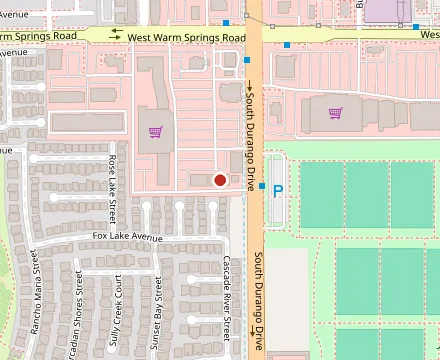
More from the GuidesBest Restaurants in Spring Valley (2026)№ 1: Juan's Flaming Fajitas & Cantina - TropicanaThe cross-format sushi-and-shabu kitchen at 4215 W Spring Mountain Road carries the highest review volume of the cross-format rooms on this list, the corridor's most-reviewed dual-format Japanese kitchen, and a signal the operation has held consistency under pressure rather than coasting on a recent opening. Families and groups use this room as their multi-preference solution.
What to orderSushi rollsShabu shabuNigiri Call Directions +Read the reviewThe AYCE sushi roll selection anchors the concept and draws the bulk of the review praise for value against quality.
The shabu shabu program runs alongside the sushi in a true dual-format kitchen, not as an afterthought to the main menu.
Nigiri within the AYCE model draws specific mention in reviews as a marker of sourcing quality above what the price point would suggest.
Sushi & Shabu Time solves a problem most Spring Mountain rooms don't bother with: what happens when half the table wants raw fish and the other half wants a simmering pot. The answer is a single AYCE structure that runs both programs at once, rolls and nigiri on one side of the ticket, shabu shabu on the other, without forcing either group to compromise. That's a real logistical bet for a kitchen, since AYCE sushi and AYCE hot pot demand different stations, different pacing, different plate math, and running them together at volume without the quality collapsing is the harder version of the format. The signature list backs it up: rolls that read as composed rather than filler, nigiri that's treated as its own category rather than an afterthought, and a shabu shabu program substantial enough to be the reason a table books rather than the side option.
On the Chinatown corridor, that puts the room in company with the neighborhood's deep Japanese bench, but the dual-format AYCE angle is its own lane, closer to a hot pot room that also happens to run a serious sushi bar than to either alone. The price sits at upscale, which for AYCE sushi in Las Vegas usually tracks with sourcing quality rather than markup, and the room's late-night hours put it inside the corridor's after-hours rhythm, useful for anyone finishing a shift or a night out and wanting a real meal instead of a drive-through stop. Service consistency shows up repeatedly in how the room is described, specific servers named and returned to, short waits even on busy nights, which for an AYCE format matters more than it would at a slower prix-fixe room since the whole model depends on the kitchen and floor staying synced course after course. This is a group room built for the negotiation table conversation always has, sushi versus hot pot, solved by not making anyone choose.
© OpenStreetMap
Order the shabu shabu and sushi rounds in parallel rather than sequentially so the pot has time to build flavor while the rolls come out fresh, and go later in the evening if a shorter wait matters more than the tail end of dinner rush.
More from the GuidesBest Cuban Restaurants in Las Vegas (2026)№ 1: Cubanidad
More from the GuidesBest Salvadoran Restaurants in Las Vegas (2026)№ 1: El Steak BurritoKase Sake & Sushi in Spring Valley is the answer for diners stepping away from the AYCE rooms toward something more deliberate. The casual omakase is the order, best taken at the bar where the owner often runs the counter himself, and it ranks among the top sushi experiences in the city. Dragon rolls anchor the kitchen's reputation across two guide listings, the roll regulars steer newcomers toward. Nigiri rounds out the case, showing the fish quality that separates this room from the discount tier. The upscale setting suits date night or a slower solo seat at the counter. Hours run dinner-only most nights, four to nine, with an extended midday window Friday and Saturday.
What to orderCasual OmakaseDragon RollNigiri Call Directions +Read the reviewThe casual omakase is the order, ranked among the top sushi experiences in Vegas.
Dragon rolls anchor the two guide listings, the rolls reviewers steer to.
The nigiri shows the fish quality that draws diners off the all-you-can-eat rooms.
Kase Sake & Sushi runs a small sushi bar in a quiet Spring Valley plaza, dinner only four to nine, where the owner is most likely the one serving you. It plays the casual-omakase lane, a sit-at-the-bar sushi experience for diners avoiding the all-you-can-eat rooms.
Dragon rolls and the broader sushi program are the guide hooks, landing it in two sushi guides, and the casual omakase is the order reviewers rank among the top sushi experiences in Vegas. The fish quality is the draw for people specifically skipping the all-you-can-eat places. Sit at the bar and let the owner lead.
The owner-served format is the identity, an experienced hand running a small room with over two decades behind the counter by review account. The one-on-one format makes the service personal. A high rating across this volume reflects a sushi bar trading on quality and a one-on-one room rather than volume.
For a casual-omakase sushi bar where the owner serves you, Kase is the pick. Sit at the bar, dinner only.
© OpenStreetMap
Sit at the bar for the casual omakase, often run by the owner himself; dragon rolls and the sushi program land it in two guides, dinner only four to nine.
More from the GuidesBest Pasta in Henderson (2026)№ 1: Ventano Italian Grill & Seafood
More from the GuidesThe Best Italian Spots in Henderson (2026)№ 1: Ventano Italian Grill & SeafoodMr. The room is one of six operating under the Dragon Factories group, sharing a menu structure with Sakana and Umami Sushi.
What to orderOmakase nigiriSpicy tuna rollSalmon sashimi Call Directions +Read the reviewThe omakase nigiri is the marker order for a sushi counter at this price tier, and the review record suggests the kitchen handles it consistently.
The spicy tuna roll draws enough repeat mentions to read as the crowd anchor on the maki side of the menu.
Salmon sashimi is the baseline quality check reviewers reach for first, and Mr. Shota holds up against that standard across the record.
Mr. Shota reads as a neighborhood sushi counter built for volume, not spectacle, and the southwest valley location backs that up. This is one of six Dragon Factories sushi rooms operating in Las Vegas, sharing close to the same menu as sister rooms Sakana and Umami Sushi, which explains why the format feels dialed in rather than experimental. That shared-playbook approach means the kitchen isn't chasing a signature style so much as executing a proven one across multiple locations, and the omakase nigiri here is the clearest evidence of it: consistent enough to draw repeat lunch traffic in a part of the valley with plenty of competing strip mall options.
The spicy tuna roll and salmon sashimi round out the order in a way that suggests a menu built for both the exploratory diner willing to let the counter decide and the regular who knows exactly what they want. Southwest Las Vegas, stretching between the 215 and Blue Diamond, is newer growth territory where sit-down sushi rooms have had to earn a foothold fast, and Mr. Shota's positioning as both a lunch counter and a late-night stop matters here. That dual identity, quick midday turns for the working crowd and a kitchen still running after dark, is a different operating pattern than the omakase-only counters on Spring Mountain that lean into ceremony and pacing.
Moderate pricing keeps it accessible for a weekday lunch run without pushing into special-occasion territory, and the packed-at-peak pattern locals describe points to a room that turns tables efficiently rather than one built for lingering. Service gets flagged as attentive enough to matter to visitors comparing it against sushi towns with higher standards, which is a meaningful signal for a franchise-model room competing on consistency rather than novelty. The casual, no-fuss vibe suggests this is a room built to be useful more often than it's built to impress, and in a stretch of the valley still filling in its dining map, useful counts for a lot.
© OpenStreetMap
Go for the omakase nigiri if the counter has room, but expect a wait at peak lunch since the room fills fast. It also runs late, so it works as a post-shift option in a part of the valley with fewer sushi choices after dark.
We start with the review record, not a press release. Every room here is a real kitchen with a strong rating across a meaningful number of reviews, ranked on our 10-point Insider Score. We weight consistency over time and the rooms locals return to, not the ones tourists pass through once. The list updates as the data does. How we work →
Hal covers the rooms that earn their reputation the hard way: the long-running kitchens, the specialists, the places Las Vegas quietly agrees on. His reviews start with the record and end with a reason to go.
The new opening, the sleeper the score just flagged, and the one room worth booking this week. Free.