
Spring Mountain's Serious Omakase Counter
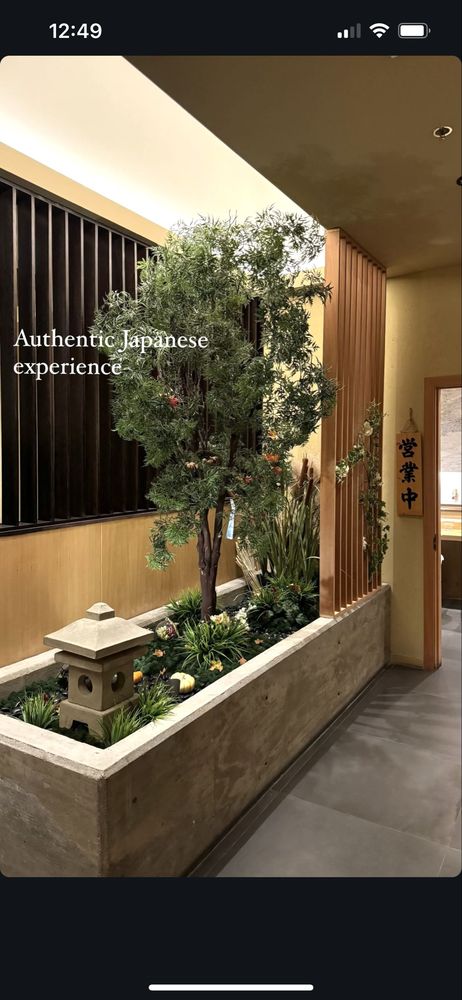
Kame Omakase operates in the Chinatown corridor on Spring Mountain Road, the stretch that has become the valley's most concentrated address for serious Japanese cooking. The room runs a chef's counter format, which means every seat faces the kitchen and the sequence belongs to the house. That operating pattern sorts out who this room is for before the first course lands.
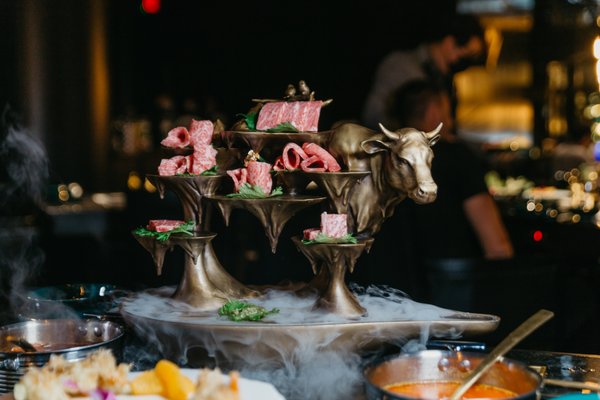
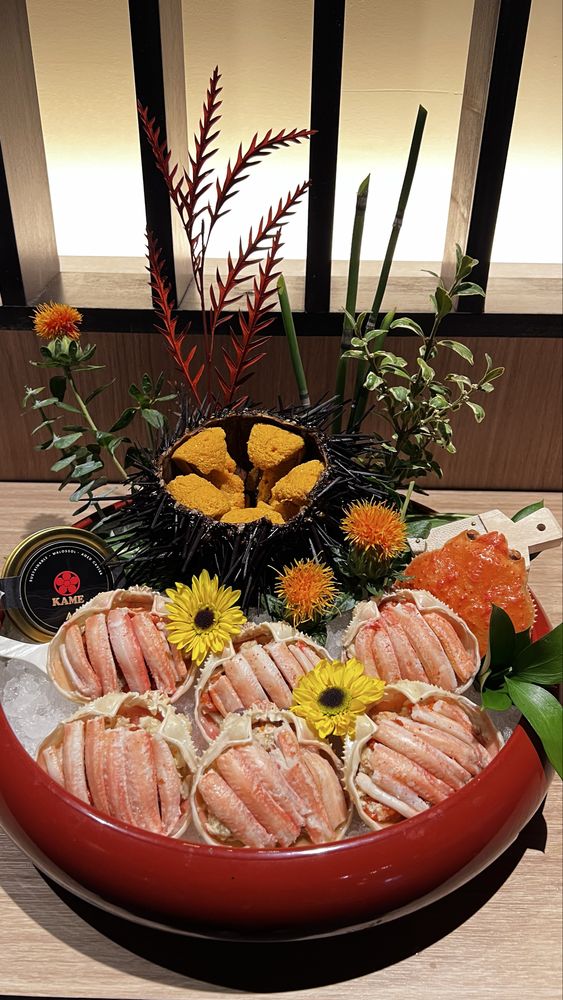
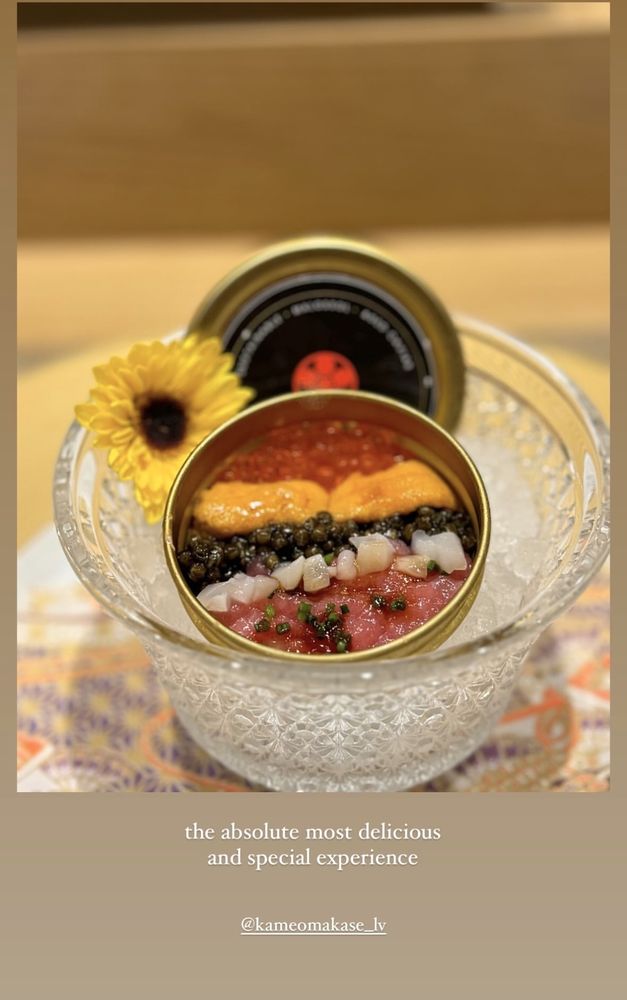
The otoro nigiri is the clearest signal of what the kitchen is after. Fatty tuna at this level costs money and demands precision; the room delivers on both. The uni nigiri follows the same logic: sourcing-dependent, execution-sensitive, the kind of course that earns or loses a kitchen's credibility fast. The wagyu course closes the picture. These three alone account for why the room earns its price point, which sits at the high end of Spring Mountain's already strong Japanese scene.
Service runs tight. Water glasses stay full without prompting; the floor reads the table and acts ahead of it. That kind of attentiveness is not accidental at a counter-seat room where every diner is in plain view. The pacing reflects it too, the kind of unhurried progression an omakase format requires to land correctly.
The room has a regulars base, which is the surest sign a high-end counter is doing its job. Regulars at omakase pricing are earned, not given. The intimacy of the counter format, the interaction with the chefs, the sense that the meal is a conversation rather than a transaction, all of it comes through in how the room is described by people who return.
For the valley's Japanese scene, Kame sits at the serious end of what Spring Mountain now carries. The counter is bookable any night of the week, which on this corridor is a practical detail worth noting.