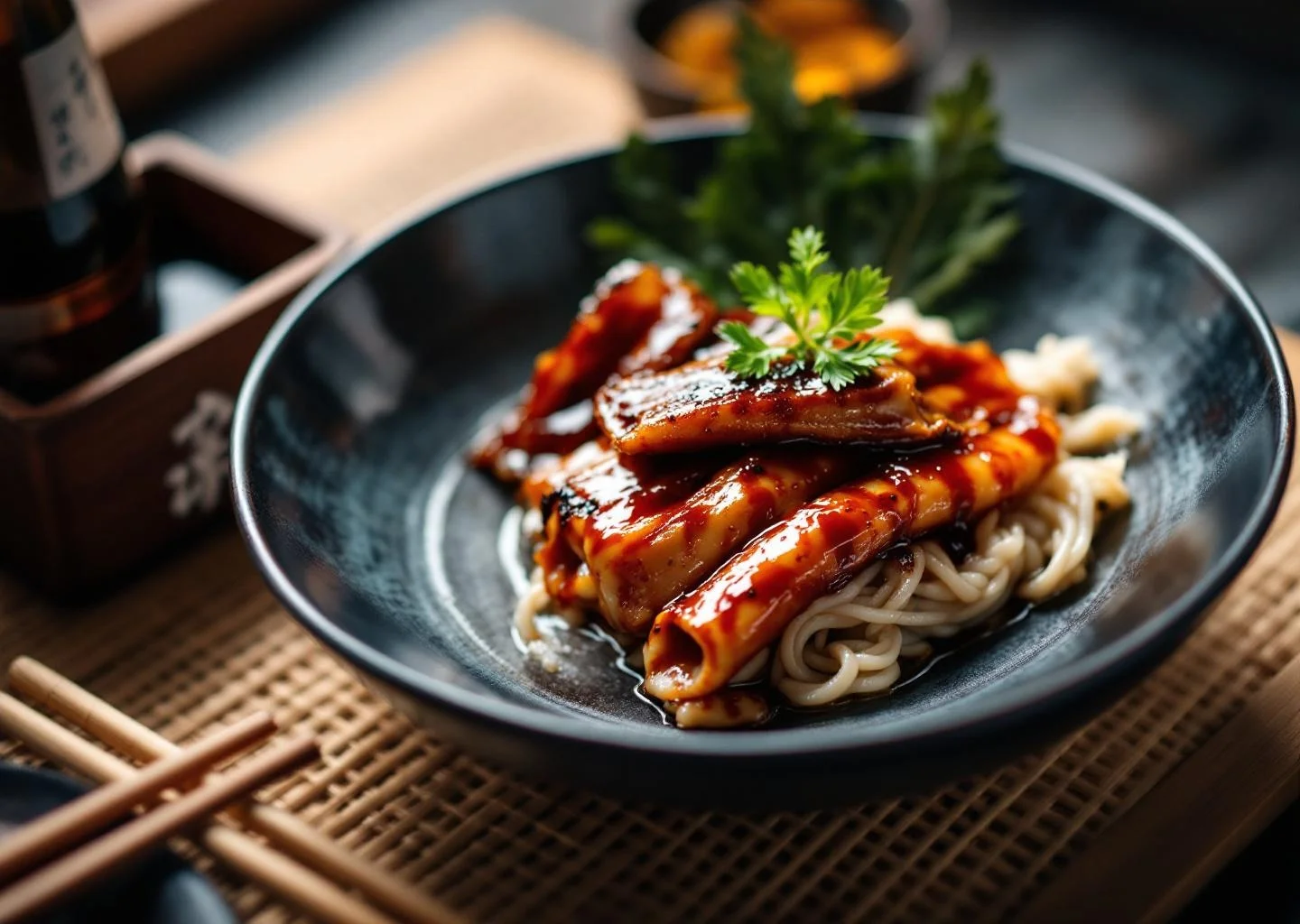
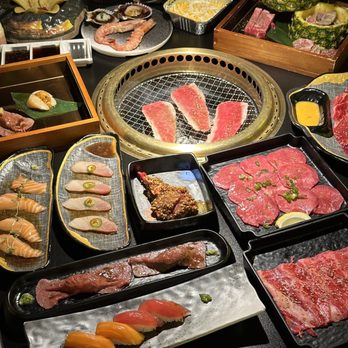
The 10 best Japanese in Las Vegas, Chubby Cattle wagyu, Kaiseki Sanga, 888 Japanese BBQ, 888 Sushi & Robata, Mikiya Wagyu Shabu, Sushi Hiroyoshi, Neko Supremo, Katsu Ya Ton Ton, The Nori, Kame Omakase.

Las Vegas Japanese spans four format tiers: wagyu BBQ (Chubby Cattle, 888 Japanese BBQ, Gangnam), shabu and hotpot (Mikiya Wagyu, Sumo Hotpot), omakase and high-end sushi (Kaiseki Sanga, Kame Omakase, Sushi Hiroyoshi), and AYCE sushi (Neko Supremo, Mr. Shota, Smile Shota). Plus the katsu specialists (Katsu Ya Ton Ton, Ton Shou) and the cross-format sushi-and-izakaya rooms (ITs IZAKAYA, Ari). The corridor concentration is on Spring Mountain, with extensions into Paradise Road (888 Sushi, Gangnam), Decatur (Kaiseki Sanga, 888 Japanese BBQ), and Durango (Katsu Ya Ton Ton).
Fifteen cleared that bar; the 10 below cover the format range and geographic spread.
The thesis: Vegas Japanese is the deepest single-cuisine bench in the city by format range, wagyu, shabu, omakase, AYCE sushi, katsu, izakaya all run serious kitchens. The 10 below are rating leaders across all six formats.
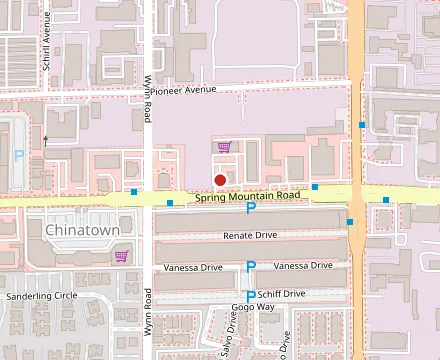
At 4525 Spring Mountain, Chubby Cattle is the highest-rated and most-reviewed Japanese-cuisine room in Vegas, A5 wagyu grilled at the table, with a Diamond package that walks a group through the premium-cut progression. The price tier runs close to a Strip steakhouse, not a typical Spring Mountain Japanese kitchen. The grill-at-table format is the room's identity: this is the booking for the occasion where the meal is the event.
What to orderA5 WagyuBrisketRibs Book a table Call Directions +Read the reviewThe A5 wagyu draws repeat visitors who name it specifically when recounting what brought them back.
The Diamond package structures the meal as a graded progression of premium cuts, cooked tableside by staff on request.
The sushi rounds out the visit for guests who arrive expecting beef and leave having ordered across the full menu.
Chubby Cattle BBQ sits on the Spring Mountain corridor and runs one of the valley's most focused Japanese BBQ programs, anchored by A5 wagyu and tableside grilling at the upper end of the price range. The room operates as a full-service experience: servers engage directly at the grill, cooking portions without being asked, which is the operating signature here. That kind of tableside attention is what separates a Japanese BBQ room with real service culture from one that simply drops raw meat and walks away.
The A5 wagyu is the thesis of the menu. At this grade and at this price point, the kitchen's job is sourcing and execution, and both read as consistent. The Diamond package structures the meal as a progression through premium grilled cuts, which is the right way to approach a room like this, especially for a group that wants to move through the menu without negotiating every order. It is a designed experience, not an à la carte assembly.
Sushi runs alongside the grill program, which gives the room flexibility. A table can rotate between grilled wagyu and raw fish without the meal losing coherence. That dual program is not universal across Spring Mountain's Japanese BBQ rooms, and it broadens what the kitchen can do on a single visit.
The price reflects the product. A5 wagyu at tableside with attentive full service is an expense-account or special-occasion spend, and the room presents accordingly. Spring Mountain's density means alternatives exist at every price tier, but Chubby Cattle is playing in a different register than the mid-tier Korean BBQ rooms nearby. The clientele reflects that: group dinners, date nights, and visitors who have specifically planned around the wagyu program. The room earns its position on the corridor.
© OpenStreetMap
The Diamond package is the move for groups; it structures the progression and removes the guesswork. Let the server handle the grill timing.
More from the GuidesBest Thai in Henderson: Local Favorites (2026)№ 1: Pin Kaow Thai Restaurant
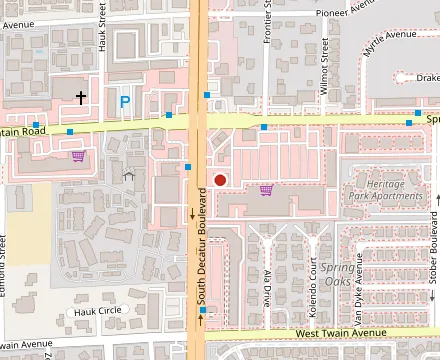
More from the GuidesBest Breakfast Burritos in North Las Vegas (2026)№ 1: El TamalucasAt 3650 S Decatur Boulevard, Kaiseki Sanga runs the kaiseki format, multi-course chef-curated Japanese tasting, the only kitchen in Vegas operating this at the rating tier. The customer base is small but exacting; the format requires kitchen coordination, advance reservation, and a dining room sized for the attention the cuisine demands.
What to orderSeasonal sashimi courseSteamed rice courseMulti-course kaiseki progression Call Directions +Read the reviewThe seasonal sashimi course draws reviewers to language about transcendence, raw fish described as something beyond its category, which is the kaiseki frame doing its work.
The steamed rice course arrives near the meal's close, treated as a focal point rather than filler, the kind of moment at least one reviewer called prayer.
The multi-course kaiseki progression runs at the kitchen's pace, not the guest's, and the reviews reflect that surrender to the structure as the defining feature of the evening.
Kaiseki Sanga sells the meal as an event, not a stop on a food crawl. That is the structural bet of kaiseki service: a fixed multi-course progression, not an a la carte menu, which means the kitchen controls pacing and the diner surrenders to it rather than the reverse. The seasonal sashimi course is the clearest expression of that control, built around whatever is right that week rather than a fixed catalog, and the steamed rice course functions less as a side than as a formal movement in the sequence, the kind of detail that separates kaiseki from the sushi-counter Japanese that dominates the rest of Chinatown's corridor. That distinction matters for how this room should be read against its neighbors.
Spring Mountain's density is mostly omakase counters, ramen specialists, and izakayas built for volume and repeat visits. A full kaiseki progression is a different operating model entirely: fewer covers, a longer seating, staff trained in a specific service choreography, including the kimono-attired presentation that shows up consistently in how diners describe arrival. That is a labor and format cost the high-end price tag is paying for, not simply better fish. The occasion framing in the record is specific and repeated: birthdays, milestones, evenings positioned as the entire plan rather than dinner before something else.
That is consistent with a room that appears to run reservations-first, given the described practice of guests arriving early and waiting outside rather than walking in. For a cuisine landscape where Chinatown is otherwise built around casual, high-turn rooms, Kaiseki Sanga occupies a narrow lane: not the showpiece Strip Japanese room, not the neighborhood sushi counter, but the formal kaiseki format that requires a diner to book ahead, clear the evening, and treat the sequence itself as the point. Whether that lane justifies the price is a question of what the diner is buying: not a faster or better version of Chinatown sushi, but a different kind of meal altogether.
© OpenStreetMap
Arrive a few minutes early rather than late, since the room appears to run tightly on reservation timing, and expect the sashimi course to change with the season rather than repeat a fixed lineup.
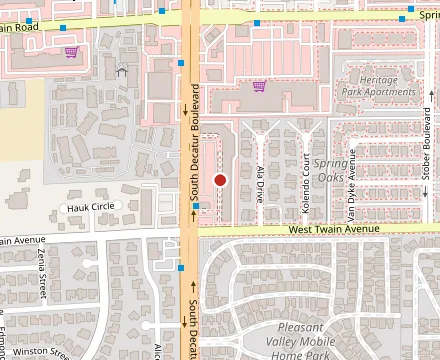
At 3550 S Decatur, 888 Japanese BBQ runs the AYCE Japanese yakiniku format at scale, the highest review count on this list by a significant margin. The all-you-can-eat beef selection comes with seasoned miso paste for marinating at the table, radish wrap, and spicy cucumber on the side. The kitchen brings the cuts; diners cook at the table.
What to orderAYCE beef selection with seasoned miso pasteRadish wrapSpicy cucumber Book a table Call Directions +Read the reviewThe radish wrap offers a clean, cool contrast to the heat of the grill mid-session.
Spicy cucumber arrives as a side but earns repeat mentions from reviewers who call it habit-forming.
888 Japanese BBQ has staked out a clear position in the Chinatown corridor: all-you-can-eat Japanese barbecue that runs late, draws groups, and earns repeat visits on the quality of its beef. The room sits at the upscale end of the AYCE format, and the kitchen's sourcing bears that out. The beef arrives fresh, not frozen-to-order, and it grills cleanly over the table. That alone separates 888 from the more cursory AYCE operations on Spring Mountain.
The signature approach centers on a seasoned miso paste served alongside the beef selection, a combination that reads as the kitchen's house point of view rather than an afterthought condiment. Radish wraps give the beef a clean, bright counterpoint mid-meal. The spicy cucumber runs as an addictive side that earns its own reputation. These three elements together signal a kitchen that has thought through how the meal builds across multiple rounds, not just how to move protein.
The AYCE selection runs deep enough to sustain a long table without redundancy. The beef is the headliner and the reason the room gets called the best AYCE BBQ in the valley, but the breadth of the menu holds up through an extended group meal without forcing the same cuts on repeat. For a Chinatown corridor that now runs a serious AYCE Korean BBQ competition, 888's Japanese BBQ positioning fills a distinct lane.
The late-night operation matters. Spring Mountain's dining culture rewards rooms that stay open when the casino shift ends, and 888 services that demand. Group tables fill on both the dinner and late-night push. Service holds up across those covers, with staff that keeps the pace of a high-turn AYCE format without rushing the table off the grill. Upscale price point for the format, but the beef quality justifies it.
© OpenStreetMap
Come hungry and plan to stay. The seasoned miso paste and radish wraps are the moves with the beef selection, and the spicy cucumber is worth ordering early so it is on the table from the first round.
More from the GuidesBest Al Pastor in North Las Vegas (2026)№ 1: El Tamalucas
More from the GuidesHidden Gem Restaurants in North Las Vegas Locals Love (2026)№ 1: Poke ExpressThe sushi-and-robata sister to the Japanese BBQ location, at 4480 Paradise Road near the Convention Center. The menu crosses formats, seared Cajun albacore carpaccio, salmon with mango salsa, seared tuna, and the robata small-plates menu runs charcoal-grilled alongside the sushi. The cross-format identity is the room's competitive claim, not a compromise between two underdeveloped programs.
What to orderSeared Cajun Albacore CarpaccioSalmon with Mango SalsaS.O. Seared Tuna Call Directions +Read the reviewThe Cajun preparation on albacore carpaccio is an unexpected crossover that reviewers flag by name unprompted.
Mango salsa on salmon reads as a contrast play; reviewers note the fish quality holds its own against the sweetness.
The S.O. Seared Tuna appears alongside yuzu yellowtail in reviewer recommendations, often cited as a pair.
Paradise sits east of the Strip corridor, close enough to draw visitors who know to look but far enough that the room runs on a local base. 888 Sushi and Robata operates in that sweet spot: upscale Japanese without the Boulevard markup, portions sized for people who are actually hungry, and a kitchen that moves fast without sacrificing freshness.
The Seared Cajun Albacore Carpaccio is the room's signature statement. Cajun seasoning on albacore is a specific call, regional American heat pressed against Japanese knife work, and the kitchen makes the combination land rather than fight itself. The Salmon with Mango Salsa works a similar cross-register logic, tropical fruit acidity cutting through the fat of the fish. Both dishes signal a kitchen comfortable with fusion framing that does not feel tentative about it.
The S.O. Seared Tuna and yuzu yellowtail round out the heavy hitters. The yellowtail with yuzu is the more classical play, citrus brightness over clean, fatty fish, and it holds up alongside the bolder preparations rather than getting lost next to them. The through line across all four dishes is consistent product quality and a demonstrable commitment to freshness.
Portion scale is the room's most discussed operating characteristic. The ratio skews heavily toward fish and away from rice, which is a kitchen-side choice that reads as respect for the protein. Plates run large enough that the upscale price point holds up against what lands on the table.
Service is quick. The room turns with purpose, which suits the date-night crowd and the eastside regulars who want a proper dinner without a two-hour production. For off-Strip Japanese at this tier, the Eastside answer is here.
© OpenStreetMap
The yuzu yellowtail is the sleeper alongside the well-known carpaccio; order both and compare registers. The kitchen moves fast, so the table fills quickly.
More from the GuidesBest Restaurants in Summerlin (2026)№ 1: The Bagel Cafe
More from the GuidesBest Al Pastor in Henderson (2026)№ 1: Mom’s KitchenAt 3930 Spring Mountain in the corridor's western section, Mikiya runs a focused shabu identity, the entire menu is built around thinly-sliced wagyu cooked at the table in hot broth, with ponzu and sesame dipping sauces. The kitchen holds the corridor's top spot for the shabu format and runs at the upscale-and-curated wagyu-only tier rather than the all-you-can-eat-volume model.
What to orderWagyu beef shabu-shabuPonzu dipping sauceSesame dipping sauce Call Directions +Read the reviewThe wagyu slices are the reason the room draws repeat visits; reviewers cite the beef quality over any other single element.
Ponzu dipping sauce anchors the lighter side of the condiment spread, the standard pairing for the delicate early pulls from the broth.
Sesame dipping sauce rounds out the table alongside the ponzu, offering a richer register for the fattier wagyu cuts.
Mikiya Wagyu Shabu House runs a focused, premium shabu-shabu program on the Spring Mountain corridor, where the floor is dense with Japanese specialists and the bar for hot pot is set high. The concept is straightforward and the execution earns its price: quality wagyu beef, cooked tableside in broth, pulled through ponzu or sesame dipping sauces. Both sauces are central to the meal, not afterthoughts. The ponzu cuts through the fat with acid; the sesame adds depth. The wagyu itself is the throughline, and the kitchen is built around it.
The room skews toward groups. Shabu-shabu is a shared-table format by nature, and Mikiya calibrates the experience to a party that wants to let the meal run. Friday evenings at 7 PM draw serious waits, a two-hour stretch by some accounts, which is its own kind of verdict on the room's standing in the neighborhood. Planning ahead, or arriving early, is the operating rule.
This is not a quick-turn counter. It is an upscale hot pot room where the pace is part of the point. The service reads as attentive and invested, the kind of floor that checks in without hovering. For Spring Mountain, where the competition in Japanese cooking runs from izakayas to ramen specialists to omakase counters, Mikiya holds a specific lane: premium hot pot for the table, not the solo diner. The price reflects the wagyu program, and the regulars, the groups who come in specifically for the wagyu, have clearly made their peace with it.
Mikiya also has a San Diego location, which suggests a small multi-location operation with a consistent concept rather than a one-off. The Las Vegas room carries the same program. That consistency across markets is a reasonable signal that the kitchen knows what it is doing.
© OpenStreetMap
Friday prime time brings a two-hour wait; come earlier or secure a reservation before the weekend dinner rush. The wagyu is the order, and the sesame and ponzu sauces both earn their place at the table.
More from the GuidesBest Restaurants in Green Valley (2026)№ 1: Fisher’s Deli (formerly Weiss Deli)
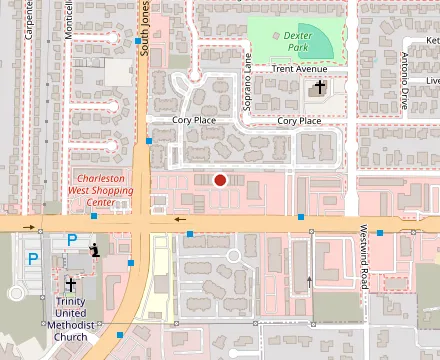
More from the GuidesBest Oysters in Las Vegas (2026)№ 1: Bajamar Seafood & TacosAt 5900 W Charleston, Sushi Hiroyoshi runs the omakase-and-traditional-sushi format at the destination tier, chef's choice multi-course sushi progression, signature rolls, nigiri selection. The room is the western-corridor omakase destination for diners who want the chef-curated sushi experience without the Spring Mountain-core density.
What to orderChef's choice omakaseSignature rollsNigiri selection Call Directions +Read the reviewChef's choice omakase is the room's structural lead order; the small-bar format makes the chef-table interaction part of the meal.
Signature rolls back the omakase program; reviewers describe the construction as the kitchen's secondary signature.
Sushi Hiroyoshi runs a small, upscale room in a Charleston Market Place strip center in Spring Valley, the kind of address that tells the story of Las Vegas dining better than any marquee. There is no Strip signage, no hotel lobby, just a compact space with limited seating built around the chef's counter. The menu leads with an omakase program, and that format is the tell for how the kitchen operates: a chef-directed sequence rather than a printed list of substitutions, which only works when the room is small enough to control pacing and product.
Nigiri and signature rolls fill out the rest of the menu for diners who want a la carte instead of the tasting sequence, and the two formats coexisting suggests a kitchen comfortable serving both the diner who wants to be guided and the diner who already knows what to order. Spring Valley sits west of the Strip, south of the Chinatown corridor, in the working stretch of strip malls that Las Vegas regulars treat as a source of best-kept discoveries rather than tourist stops. Japanese dining in this city runs deepest off the Strip, where Chinatown's omakase counters and neighborhood sushi rooms do the craft work the Strip mostly leaves to spectacle, and Sushi Hiroyoshi's location fits that pattern even from a few miles outside the corridor itself.
Upscale pricing here buys a counter experience, not a scene: quiet, small, built for two people at a table rather than a group crowding a booth, which lines up with the date-night and romantic framing the room is known for. Service on arrival reads as attentive despite the modest footprint, with waits of around ten minutes suggesting the seating count is genuinely tight rather than artificially exclusive. For a westside dinner at this tier, the room's case is less about volume and more about control: fewer seats, a chef-led sequence, and a menu that treats sashimi and nigiri as the point rather than the preamble.
© OpenStreetMap
Go with the omakase to let the chef set the pace, and expect a short wait even with a reservation since the room seats few. A la carte nigiri and rolls are the move for a faster, still-serious meal.
At 5115 W Spring Mountain, Neko Supremo is the corridor's AYCE sushi pick that holds its per-piece quality at scale. The lunch AYCE price runs below dinner, which is the window to target if the economics matter. Sashimi platters, specialty rolls, and the AYCE assortment all work within the same format.
What to orderAYCE sushi assortmentSashimi plattersSpecialty rolls Call Directions +Read the reviewThe all-you-can-eat sushi format arrives in rounds, with reviewers noting presentation that reads closer to à la carte than the format usually produces.
Sashimi platters draw repeated mention for freshness relative to the price point, which is the test the AYCE format tends to fail.
Specialty rolls are the order-again anchor for regulars, with the variety wide enough to carry a two-hour table without repetition.
Neko Supremo works the all-you-can-eat sushi format that Spring Mountain has turned into a genuine local category, not a tourist gimmick. The kitchen builds its case on volume and rotation: a sushi assortment that cycles through nigiri and maki without leaning on a handful of safe cuts, sashimi platters that carry the weight of the format's credibility since raw fish is where AYCE programs usually cut corners, and specialty rolls that give the format its flourish, the kind of composed, sauced-and-torched builds that read well on a plate and justify the fixed price against ordering a la carte down the street. This is the format's structural bet: unlimited ordering only works if the kitchen can execute at pace without the quality sliding by the fourth round, and the fact that Neko Supremo has held its footprint near a sibling location in the same lot suggests the operation has scaled its supply chain rather than just its seating.
Chinatown is the correct address for this. The corridor runs the deepest Japanese and sushi cluster in the valley, and AYCE here competes against izakaya counters and omakase rooms rather than strip mall filler, so a room has to actually cook to survive on this stretch. The moderate price point places it squarely in the neighborhood's everyday register, not a special occasion spend, and the late-night hours matter more than they might elsewhere.
Casino and hospitality shift workers make late dinner a real category in this city, and a sushi room that stays open past the dinner rush is solving an actual scheduling problem, not chasing a trend. The room itself reads as unfussy and comfortable rather than a design statement, which fits a format built around repeat visits and second helpings rather than a single showcase plate. It functions as a neighborhood standby: the kind of place regulars return to specifically because the format rewards familiarity with the rotation.
© OpenStreetMap
Start with the sashimi platter to gauge freshness before committing to multiple rounds, then work through the specialty rolls once the pace of the kitchen becomes clear. Confirm which of the two nearby Neko locations is holding the table before arrival, since the parking lot situation trips up first-time visitors.
More from the GuidesWhere to Eat the Best Greek in Henderson (2026)№ 1: Theos Its All Greek To Me
More from the GuidesBest Hot Pot in Las Vegas (2026)№ 1: Shang Artisan NoodleThe katsu specialist at 7225 S Durango Drive in the southwest valley runs a focused menu, tonkatsu, katsu curry, katsu don, and nothing else. The panko-breading technique runs at the cuisine-correct standard: shatteringly crisp exterior, juicy interior, no oil heaviness. The focused format means the kitchen's full attention is on one technique rather than divided across a broad Japanese menu.
What to orderTonkatsuKatsu curryKatsu don Call Directions +Read the reviewThe tonkatsu is the room's organizing dish: reviewers note the cutlet stays tender and juicy while holding its crust through the meal.
Katsu curry layers the fried cutlet into a format that regulars in Japanese comfort-food rooms typically rank as the most satisfying cold-weather order.
Katsu don places the cutlet over rice in a bowl format, the standard Japanese carry-forward for the same technique in a quicker, self-contained presentation.
Katsu Ya Ton Ton sits in Spring Valley, the working corridor west of the Strip and south of Chinatown that runs on strip malls and regulars rather than tourist traffic, and the menu here narrows to a single cuisine idea rather than spreading across the usual Japanese-restaurant checklist. Tonkatsu is the anchor: breaded, fried pork cutlet, and the kitchen's version comes out tender rather than dried through, which is the detail that separates a competent katsu counter from a mediocre one. That consistency shows up across the record as the thing regulars mention first, the meat staying juicy rather than tightening up under the fryer. Katsu curry pairs the same cutlet with a Japanese curry sauce, the milder, sweeter style rather than an Indian-style heat, and katsu don sets it over rice with egg, the donburi format that turns the same protein into a third distinct dish rather than a repeat.
That's the actual argument for a specialist room over a general Japanese menu: three dishes built around one technique, executed at a level a twelve-page izakaya menu rarely sustains on any single item. Portions run generous, which matters at the moderate price point this occupies, positioning it as an everyday lunch and early-dinner room rather than an occasion restaurant. The service gets flagged as a strength in its own right, not just competent but notably attentive for a counter-format room, and the space itself draws specific comment, down to the bathroom, an odd thing for a katsu shop to be known for but a sign the build-out got more attention than the strip-mall exterior suggests. This is a Spring Valley lunch spot first, the kind of room locals return to on a weekly rotation rather than a destination anyone plans a night around.
The Japanese cuisine landscape in Las Vegas runs deep on Spring Mountain with omakase counters and ramen specialists, and a tonkatsu-focused room like this one fills a specific gap in that map, doing one dish family well rather than competing on breadth. Quick, casual, and built for the regular rather than the tourist.
© OpenStreetMap
Order the tonkatsu straight or in the curry if a milder, saucier version is preferred, and go for lunch or early dinner since this reads as a fast, casual room built around turning tables rather than lingering.
More from the GuidesThe Best Steakhouse Spots in Henderson (2026)№ 1: West Texas Chophouse - Henderson
More from the GuidesThe Best Vegetarian & Vegan in Las Vegas (2026)№ 1: Garden GrillAt 6530 S Decatur in the central valley, The Nori specializes in hand rolls, cone-shaped seaweed-and-rice with fillings, the format most US sushi rooms skip in favor of the sliced-roll template. The kitchen has built its customer base entirely around the hand-roll specialty. The Nori Lover five-hand-roll set is the kitchen's signature order.
What to orderNori Lover (five-hand-roll set)Sushi rollsHand rolls Call Directions +Read the reviewThe Nori Lover delivers five hand rolls together; reviewers cite the wraps specifically as adding texture the fish alone wouldn't carry.
The sushi rolls draw repeated freshness notes from reviewers, with quality described as high-end relative to the mid-tier price point.
Hand rolls arrive quickly and eat well immediately; the seaweed wrap holds its structure through the full roll, which reviewers notice.
The Nori runs on a narrow premise executed well: hand rolls as the centerpiece rather than the afterthought most sushi counters treat them as. The Nori Lover, a five-hand-roll set, is the clearest evidence of that focus. Building a signature dish around a format that has to be eaten within minutes of assembly is a bet on kitchen timing, and the wrap the kitchen uses on its hand rolls holds structure and crunch longer than the standard nori sheet, which is the detail that separates a hand roll program from a roll menu with hand rolls bolted on. The rolls that round out the menu lean toward the fresh, high-turnover style: fish that reads clean rather than masked in sauce, a construction meant to hit the table fast rather than sit under a heat lamp waiting on a ticket.
That fast-to-table pattern matters more in the Enterprise stretch of the southwest valley than it would on Spring Mountain, where the sushi counters compete on omakase pedigree. Here the competition is convenience and consistency for a neighborhood that is still filling in around the 215, and a moderately priced room that can hold quality on a Tuesday roll order and a Friday late-night order alike is doing the harder job. The late-night positioning is worth noting on its own: Japanese food after normal dinner hours is a real category of demand in a casino-shift town, and a counter-service-adjacent room in the southwest valley filling that slot for locals who don't want to drive toward the Strip or even Chinatown is a specific, useful role rather than a generic one. Service reads as unfussy and quick rather than a production, which fits the room's casual self-description.
Nothing here reads as reaching for a tasting-menu ambition. It reads as a neighborhood sushi operation that picked one format, the hand roll, and built its identity and its pricing around doing that one thing at volume without letting quality slide.
© OpenStreetMap
Order the Nori Lover for the full five-hand-roll set rather than mixing and matching individual rolls, and go later in the evening if the goal is a quiet counter rather than a packed one.
More from the GuidesThe Best Restaurants Near Desert Shores (2026)№ 1: Casa Don Juan Buffalo
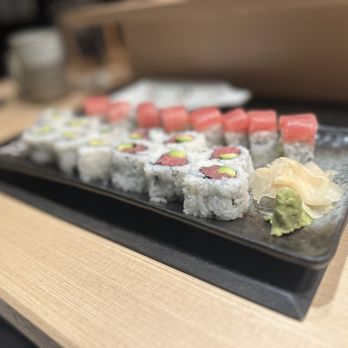
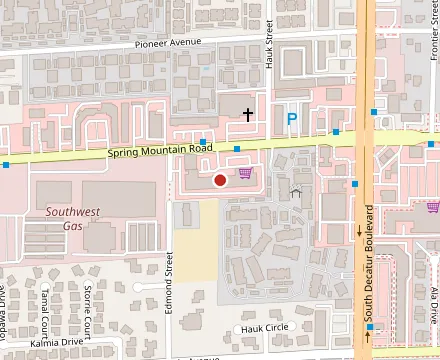
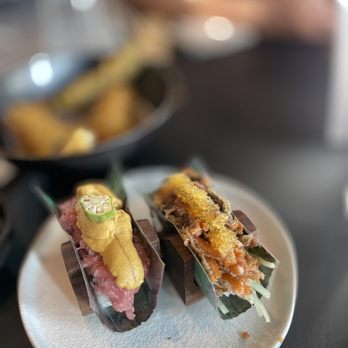
More from the GuidesDelis & Sandwiches in Henderson: Local Favorites (2026)№ 1: Prosecco Italian Osteria & DeliAt 3616 W Spring Mountain, Kame runs the premium-omakase end of the corridor, otoro (fatty tuna) nigiri, uni (sea urchin) nigiri, wagyu course, in a chef-curated multi-course sushi tasting that positions it above the AYCE and standard-roll rooms. The kitchen has built the customer base around the destination booking rather than the convenience pick.
What to orderOtoro nigiriUni nigiriWagyu course Call Directions +Read the reviewOtoro nigiri is the marker cut in omakase sequences, and reviewers at this tier expect it to arrive properly tempered and cleanly sliced.
Uni nigiri at this price point signals the kitchen's sourcing standards; the quality of the roe is where the gap between serious rooms and pretenders shows.
The wagyu course appears in the mid-to-late sequence, a common structural pivot in modern omakase that marks the chef's range beyond raw fish.
Kame Omakase operates in the Chinatown corridor on Spring Mountain Road, the stretch that has become the valley's most concentrated address for serious Japanese cooking. The room runs a chef's counter format, which means every seat faces the kitchen and the sequence belongs to the house. That operating pattern sorts out who this room is for before the first course lands.
The otoro nigiri is the clearest signal of what the kitchen is after. Fatty tuna at this level costs money and demands precision; the room delivers on both. The uni nigiri follows the same logic: sourcing-dependent, execution-sensitive, the kind of course that earns or loses a kitchen's credibility fast. The wagyu course closes the picture. These three alone account for why the room earns its price point, which sits at the high end of Spring Mountain's already strong Japanese scene.
Service runs tight. Water glasses stay full without prompting; the floor reads the table and acts ahead of it. That kind of attentiveness is not accidental at a counter-seat room where every diner is in plain view. The pacing reflects it too, the kind of unhurried progression an omakase format requires to land correctly.
The room has a regulars base, which is the surest sign a high-end counter is doing its job. Regulars at omakase pricing are earned, not given. The intimacy of the counter format, the interaction with the chefs, the sense that the meal is a conversation rather than a transaction, all of it comes through in how the room is described by people who return.
For the valley's Japanese scene, Kame sits at the serious end of what Spring Mountain now carries. The counter is bookable any night of the week, which on this corridor is a practical detail worth noting.
© OpenStreetMap
The wagyu course is the meal's anchor; let the kitchen set the sequence without adjustments. The counter seats reward guests who engage with the chefs, and regulars tend to get more of that exchange.
We start with the review record, not a press release. Every room here is a real kitchen with a strong rating across a meaningful number of reviews, ranked on our 10-point Insider Score. We weight consistency over time and the rooms locals return to, not the ones tourists pass through once. The list updates as the data does. How we work →
Hal covers the rooms that earn their reputation the hard way: the long-running kitchens, the specialists, the places Las Vegas quietly agrees on. His reviews start with the record and end with a reason to go.
The new opening, the sleeper the score just flagged, and the one room worth booking this week. Free.