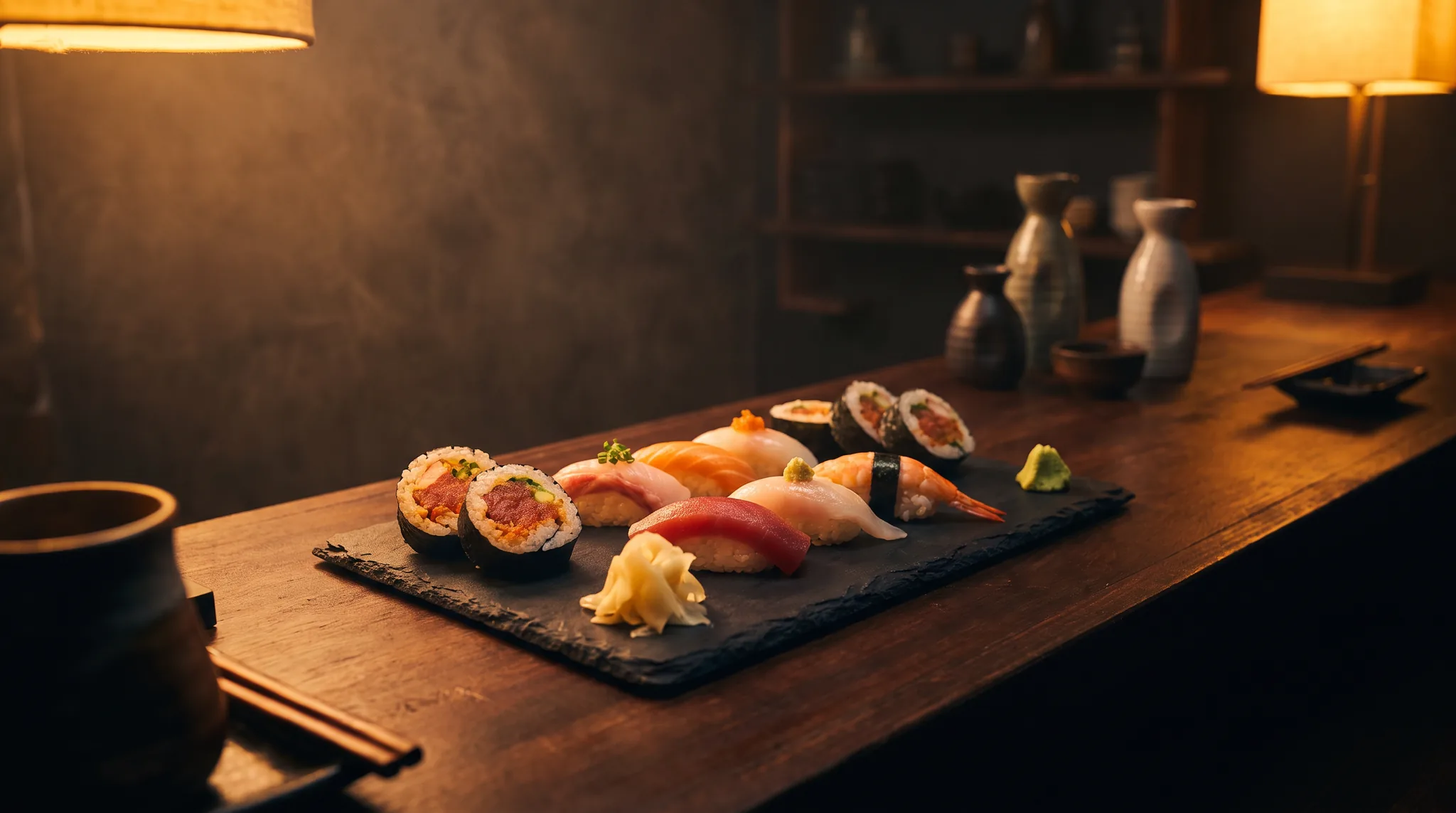
The 10 best Japanese restaurants in Las Vegas Chinatown, Chubby Cattle, Raku, Mikiya Wagyu Shabu, Hachi, ITs SUSHI, Sushi Hiroyoshi, Japanese Curry Zen, Neko Supremo, Umiya, Soho Sushi Burrito.

The Spring Mountain Road corridor is the unlikely home of Las Vegas's serious Japanese-cuisine bench, unlikely because the corridor's name (Chinatown) signals Chinese cuisine, but the actual density runs more even across East Asian cuisines than the naming suggests. Japanese rooms on Spring Mountain cover the format spread: robatayaki (Raku's grilled-over-charcoal kitchen), wagyu-shabu (Mikiya's table-cooked beef-in-broth), yakitori (Hachi), sushi (Smile Shota, Sushi Hiroyoshi, ITs SUSHI, Sushi Neko), Japanese curry (Curry Zen), wagyu-grilled-meat (Chubby Cattle).
The 10 rooms below are the Spring Mountain corridor's Japanese-cuisine leaders by rating and review-volume composite. The bench depth makes the corridor competitive with any single-cuisine concentration in the city.
The thesis: Spring Mountain Japanese splits into three tiers, the high-end specialists (Raku, Mikiya, Sushi Hiroyoshi, Chubby Cattle) where the destination-dinner crowd books for kitchen-format mastery, the mid-tier volume leaders (ITs SUSHI, Umiya, Hachi, Curry Zen) where consistency-and-frequency diners rotate, and the cross-format hybrids (Neko Supremo, Soho Sushi Burrito) where format reinvention is the kitchen's identity claim.
A note on turnover: 59 of the 1,897 restaurants we track closed this year, and the losses cluster hard on Spring Mountain, the street this entire list lives on. The data desk's closure report breaks it down; every entry here was verified open at our last check.
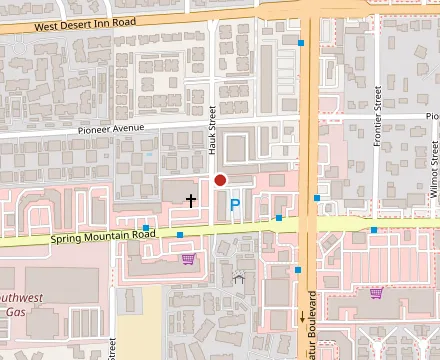
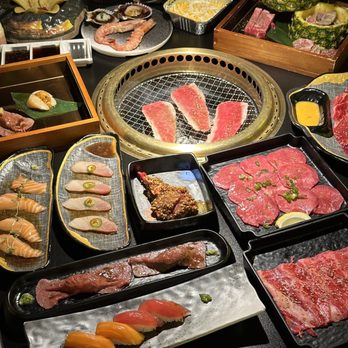
At 4525 Spring Mountain, Chubby Cattle is the corridor's celebration dinner, A5 wagyu grilled at the table, a guided progression through premium cuts, and a room that commits to the format completely. Both the highest-rated and most-reviewed Japanese-cuisine kitchen on Spring Mountain. The grill-at-table mechanic is the entire dinner structure; the pricing runs close to a Strip steakhouse rather than a typical Spring Mountain kitchen.
What to orderA5 WagyuBrisketRibs Book a table Call Directions +Read the reviewThe A5 wagyu draws repeat visitors who name it specifically when recounting what brought them back.
The Diamond package structures the meal as a graded progression of premium cuts, cooked tableside by staff on request.
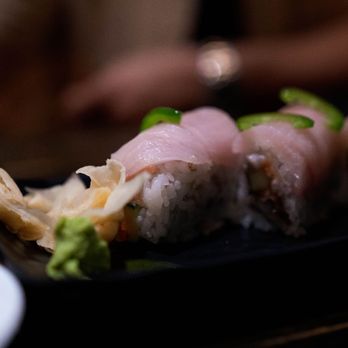
The sushi rounds out the visit for guests who arrive expecting beef and leave having ordered across the full menu.
Chubby Cattle BBQ sits on the Spring Mountain corridor and runs one of the valley's most focused Japanese BBQ programs, anchored by A5 wagyu and tableside grilling at the upper end of the price range. The room operates as a full-service experience: servers engage directly at the grill, cooking portions without being asked, which is the operating signature here. That kind of tableside attention is what separates a Japanese BBQ room with real service culture from one that simply drops raw meat and walks away.
The A5 wagyu is the thesis of the menu. At this grade and at this price point, the kitchen's job is sourcing and execution, and both read as consistent. The Diamond package structures the meal as a progression through premium grilled cuts, which is the right way to approach a room like this, especially for a group that wants to move through the menu without negotiating every order. It is a designed experience, not an à la carte assembly.
Sushi runs alongside the grill program, which gives the room flexibility. A table can rotate between grilled wagyu and raw fish without the meal losing coherence. That dual program is not universal across Spring Mountain's Japanese BBQ rooms, and it broadens what the kitchen can do on a single visit.
The price reflects the product. A5 wagyu at tableside with attentive full service is an expense-account or special-occasion spend, and the room presents accordingly. Spring Mountain's density means alternatives exist at every price tier, but Chubby Cattle is playing in a different register than the mid-tier Korean BBQ rooms nearby. The clientele reflects that: group dinners, date nights, and visitors who have specifically planned around the wagyu program. The room earns its position on the corridor.
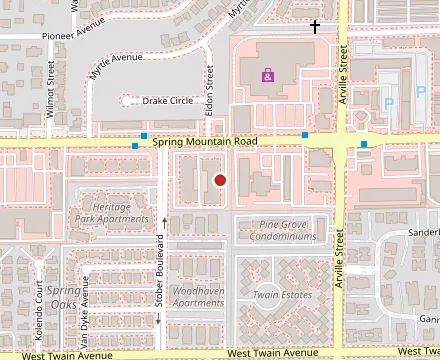
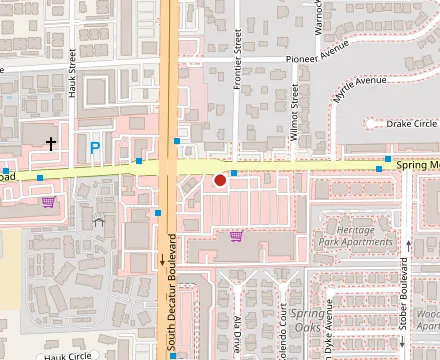
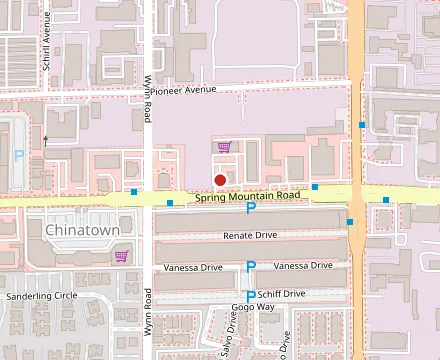
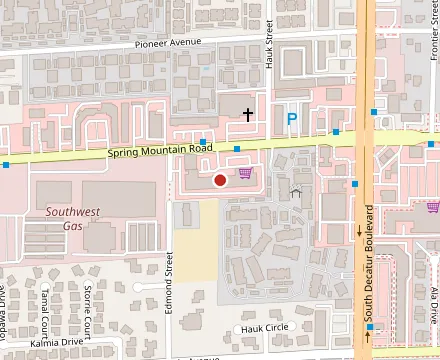
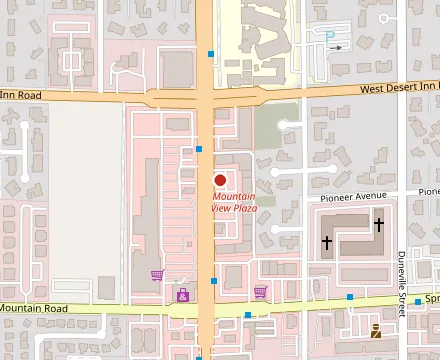
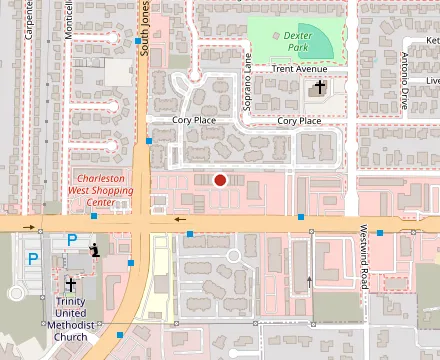
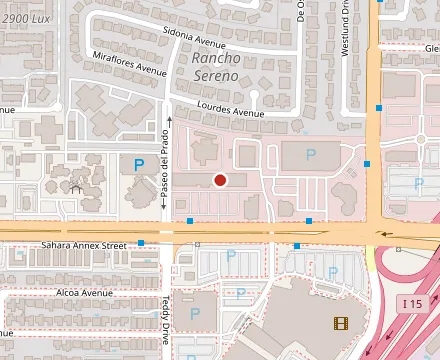
© OpenStreetMap
The Diamond package is the move for groups; it structures the progression and removes the guesswork. Let the server handle the grill timing.
More from the GuidesBest Crab Legs in Henderson (2026)№ 1: Crab N Spice - Henderson
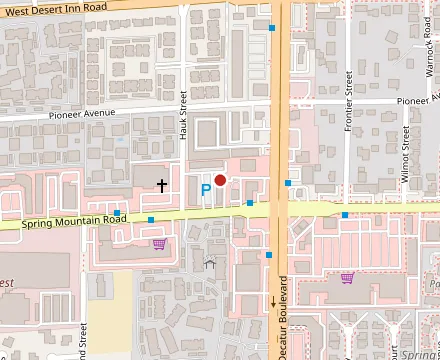
More from the GuidesWhere to Eat the Best Pizza in Henderson (2026)№ 1: Settebello Pizzeria NapoletanaAt 4815 Spring Mountain, ITs SUSHI is the corridor's volume-and-quality sushi leader, AYCE lunch and dinner, more reviews than any other sushi room on the corridor, and a rainbow roll that earns its own callouts for the salmon-tuna-yellowtail layering. The AYCE format runs without the per-piece quality drop that plagues high-volume AYCE rooms elsewhere.
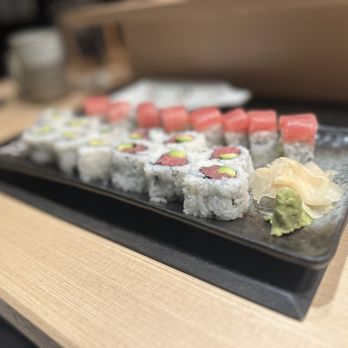
What to orderRainbow rollSalmon sashimiSpider roll Call Directions +Read the reviewThe rainbow roll is a reliable anchor for AYCE ordering, enough components to gauge the kitchen's fish quality early in the meal.
Salmon sashimi is where the split between returning regulars and first-timers tends to surface most clearly in the review record.
The spider roll draws enough repeat mentions to earn its place on an AYCE order sheet, soft-shell crab being one of the format's better tests.
ITs SUSHI Spring Mountain runs on a simple proposition: all-you-can-eat sushi, open late, on the corridor that never really goes to sleep. That positioning matters more than any single roll. The rainbow roll and spider roll are the workhorses of an AYCE menu, built to be ordered in rounds, and they read as the kind of crowd-pleasing constructions that keep a table refilling its order sheet rather than sitting on one plate all night. Salmon sashimi sits at the other end of the menu, the plain-cut test that separates a real AYCE program from one padding its count with fried rolls and sauce.
On a corridor as dense with Japanese options as Spring Mountain, an AYCE room competes on a different axis than the omakah counters and izakayas nearby. It is not chasing the craft-driven, small-plates end of the cuisine cluster. It is chasing volume, price certainty, and hours. That is a legitimate lane in a market where Chinatown restaurants stack up block by block, and it explains why the room's built-for-groups energy and unhurried pacing show up as central to how people describe eating there.
The room is casual by design, no dress code, no tasting menu theater, just a laid-back space built around a line that moves and a menu with enough spread to keep a table of four occupied. Upscale pricing puts it above the taqueria-and-noodle-shop tier of the neighborhood but still inside AYCE math, where the appeal is unlimited ordering rather than a chef's showcase. Late hours are the structural advantage. Casino-shift schedules and the general after-midnight rhythm of the Valley mean a sushi room that stays open when others have closed the kitchen fills a real gap, and that late-night lane, more than any single roll, is what defines this room's place on the corridor.
© OpenStreetMap
Order in rounds rather than all at once, start with the rainbow and spider rolls to gauge the kitchen's pace, and expect a straightforward late-night crowd rather than a date-night room.
At 3930 Spring Mountain, Mikiya is a shabu-shabu specialist, thinly-sliced wagyu cooked at the table in hot broth, dipped in ponzu or sesame sauce. The entire menu architecture is built around the format. Mikiya holds the corridor's top spot for shabu, and the operating model, upscale-and-curated wagyu-only rather than all-you-can-eat-volume, is why the rating holds where it does.
What to orderWagyu beef shabu-shabuPonzu dipping sauceSesame dipping sauce Call Directions +Read the reviewThe wagyu slices are the reason the room draws repeat visits; reviewers cite the beef quality over any other single element.
Ponzu dipping sauce anchors the lighter side of the condiment spread, the standard pairing for the delicate early pulls from the broth.
Sesame dipping sauce rounds out the table alongside the ponzu, offering a richer register for the fattier wagyu cuts.
Mikiya Wagyu Shabu House runs a focused, premium shabu-shabu program on the Spring Mountain corridor, where the floor is dense with Japanese specialists and the bar for hot pot is set high. The concept is straightforward and the execution earns its price: quality wagyu beef, cooked tableside in broth, pulled through ponzu or sesame dipping sauces. Both sauces are central to the meal, not afterthoughts. The ponzu cuts through the fat with acid; the sesame adds depth. The wagyu itself is the throughline, and the kitchen is built around it.
The room skews toward groups. Shabu-shabu is a shared-table format by nature, and Mikiya calibrates the experience to a party that wants to let the meal run. Friday evenings at 7 PM draw serious waits, a two-hour stretch by some accounts, which is its own kind of verdict on the room's standing in the neighborhood. Planning ahead, or arriving early, is the operating rule.
This is not a quick-turn counter. It is an upscale hot pot room where the pace is part of the point. The service reads as attentive and invested, the kind of floor that checks in without hovering. For Spring Mountain, where the competition in Japanese cooking runs from izakayas to ramen specialists to omakase counters, Mikiya holds a specific lane: premium hot pot for the table, not the solo diner. The price reflects the wagyu program, and the regulars, the groups who come in specifically for the wagyu, have clearly made their peace with it.
Mikiya also has a San Diego location, which suggests a small multi-location operation with a consistent concept rather than a one-off. The Las Vegas room carries the same program. That consistency across markets is a reasonable signal that the kitchen knows what it is doing.
© OpenStreetMap
Friday prime time brings a two-hour wait; come earlier or secure a reservation before the weekend dinner rush. The wagyu is the order, and the sesame and ponzu sauces both earn their place at the table.
More from the GuidesBest Smash Burgers in Las Vegas (2026)№ 1: Eggscellent
More from the GuidesBest Restaurants in the Strip (2026)№ 1: Mon Ami GabiAt 5115 W Spring Mountain, Neko Supremo runs AYCE sushi at a price-quality tier that distinguishes it from both the destination-omakase rooms and the budget-AYCE alternatives on the corridor. The kitchen holds its per-piece quality at scale better than most Vegas AYCE sushi rooms, the consistent execution under volume is what earns the rating.
What to orderAYCE sushi assortmentSashimi plattersSpecialty rolls Call Directions +Read the reviewThe all-you-can-eat sushi format arrives in rounds, with reviewers noting presentation that reads closer to à la carte than the format usually produces.
Sashimi platters draw repeated mention for freshness relative to the price point, which is the test the AYCE format tends to fail.
Specialty rolls are the order-again anchor for regulars, with the variety wide enough to carry a two-hour table without repetition.
Neko Supremo works the all-you-can-eat sushi format that Spring Mountain has turned into a genuine local category, not a tourist gimmick. The kitchen builds its case on volume and rotation: a sushi assortment that cycles through nigiri and maki without leaning on a handful of safe cuts, sashimi platters that carry the weight of the format's credibility since raw fish is where AYCE programs usually cut corners, and specialty rolls that give the format its flourish, the kind of composed, sauced-and-torched builds that read well on a plate and justify the fixed price against ordering a la carte down the street. This is the format's structural bet: unlimited ordering only works if the kitchen can execute at pace without the quality sliding by the fourth round, and the fact that Neko Supremo has held its footprint near a sibling location in the same lot suggests the operation has scaled its supply chain rather than just its seating.
Chinatown is the correct address for this. The corridor runs the deepest Japanese and sushi cluster in the valley, and AYCE here competes against izakaya counters and omakase rooms rather than strip mall filler, so a room has to actually cook to survive on this stretch. The moderate price point places it squarely in the neighborhood's everyday register, not a special occasion spend, and the late-night hours matter more than they might elsewhere.
Casino and hospitality shift workers make late dinner a real category in this city, and a sushi room that stays open past the dinner rush is solving an actual scheduling problem, not chasing a trend. The room itself reads as unfussy and comfortable rather than a design statement, which fits a format built around repeat visits and second helpings rather than a single showcase plate. It functions as a neighborhood standby: the kind of place regulars return to specifically because the format rewards familiarity with the rotation.
© OpenStreetMap
Start with the sashimi platter to gauge freshness before committing to multiple rounds, then work through the specialty rolls once the pace of the kitchen becomes clear. Confirm which of the two nearby Neko locations is holding the table before arrival, since the parking lot situation trips up first-time visitors.
More from the GuidesWhere to Eat the Best Spanish & Tapas in Las Vegas (2026)№ 1: Rang’s Cocina Moderne
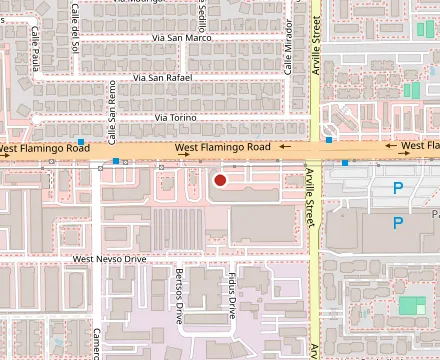
More from the GuidesBest Restaurants in Aliante (2026)№ 1: Juan’s Flaming Fajitas & Cantina – North Las VegasCorridor-adjacent at 4465 W Flamingo Road, Umiya runs the broader Japanese menu, sushi, teriyaki, small plates, at the volume tier. The rainbow roll, salmon teriyaki, and spicy tuna roll are the consistent anchors. The kitchen has held its consistency under heavy volume, a customer base that returns rather than one-offs.
What to orderAll-You-Can-Eat SushiSpecialty RollsNigiri Call Directions +Read the reviewThe all-you-can-eat sushi is the format most reviewers order on, the value draw.
The specialty rolls carry the listing, the order to lead with.
The nigiri shows whether the fish quality holds across the unlimited rounds.
Umiya Sushi runs a high-volume Japanese sushi room in the Spring Valley-Chinatown stretch, late to half past midnight, an all-you-can-eat-leaning spot with one of the larger review counts in its category. The late hours and the all-you-can-eat value are the draw, a busy room that has held a crowd for years.
It lands in a Japanese guide on the strength of the sushi, the all-you-can-eat list the format most reviewers order on. The rolls carry the listing, the value-and-volume balance the recurring note. The fish quality across rounds is the variable, the thing an all-you-can-eat room is judged on. Pace the order and lead with the rolls.
The room runs lively and late, the after-hours sushi option in a dense restaurant block. Service keeps the high-turnover format moving. A rating that holds across more than two thousand reviews reflects an all-you-can-eat sushi room judged on the value and the consistency, the late hours sealing its niche.
For late-night all-you-can-eat sushi in the Spring Valley-Chinatown stretch, Umiya is the pick. Open to half past midnight.
© OpenStreetMap
It runs all-you-can-eat-leaning and stays open to half past midnight; pace the order and lead with the rolls, the value-and-volume balance the draw.
More from the GuidesBest Brisket in Las Vegas (2026)№ 1: Chubby Cattle BBQ
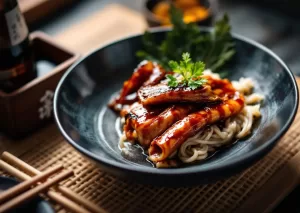
More from the GuidesBest Burger in Henderson: Local Favorites (2026)№ 1: Ruby's Shake ShopThe strip-mall storefront at 5030 Spring Mountain undersells what's inside, a robatayaki kitchen that the New York Times and Bon Appétit have covered consistently since the early 2010s. Charcoal-grilled black cod with miso glaze is the brand-claim order; the wagyu beef skewers and the tofu with century egg round out the small-plates approach that defines the format.
What to orderRobata-grilled black codWagyu beef skewerTofu with century egg Call Directions +Read the reviewThe black cod comes off the wood-charcoal grill with a richness that reviewers single out for both texture and restraint.
Wagyu skewers on the robata are a test of the grill's range; the char is controlled enough that the beef's fat stays in play rather than burning off.
The tofu with century egg is a departure from the grill-focused menu, and the contrast between fresh curd and aged egg is the point.
Raku sits at the top of Spring Mountain's izakaya tier, and the record shows a kitchen operating on a different register than most late-night rooms in the corridor. The robata-grilled black cod is the anchor dish, the kind of order that shows up across reservations booked a week out and celebration dinners planned in advance. That's not incidental. A high-end izakaya earning advance-reservation behavior in a neighborhood otherwise built on walk-in counters and no-reservations noodle shops is a structural signal: Raku has positioned itself as the occasion room within a corridor that mostly runs casual.
The wagyu beef skewer reinforces that positioning. It's a small-plate format executed at a price point that assumes the diner already knows what they're paying for, live-fire technique on premium beef rather than a bar snack. The tofu with century egg is the dish that separates the room from a generic upscale-Japanese script. Century egg is not a hedge for a broad audience.
It signals a kitchen willing to run a polarizing item alongside crowd-pleasers, which tracks with a program built around a wood-charcoal grill as the organizing concept rather than a sushi case or a ramen bowl. Spring Mountain's Japanese cluster is deep, from ramen specialists to izakaya rooms to omakase counters, and Raku occupies the top tier of that cluster on price and ambition. The late-night close matters here too. A room that stays open past the standard dinner window in a city with a large graveyard-shift workforce is speaking to more than tourists; it's speaking to the industry crowd that eats on a different clock.
The price tier draws real skepticism in the record. More than one account calls the food good but pricey for what it was, a reaction that shows up on rooms charging serious-dining prices for izakaya-format small plates. That tension between reservation-worthy demand and after-the-fact reservations about value is part of what the number ultimately measures.
© OpenStreetMap
Book ahead, the room fills on weekends, and build the table around the robata cod and the wagyu skewer before adding a smaller plate like the tofu with century egg to round it out.
At 5020 Spring Mountain, Curry Zen specializes in Japanese curry, katsu curry, beef curry rice, chicken curry, and the recipe runs differently from the American-Japanese curry approximations found at broader sushi rooms. The kitchen's curry-sauce program is the competitive edge: a focused formula with the right balance of sweetness and spice that most Vegas Japanese kitchens don't bother to develop.
What to orderKatsu curryChicken curryBeef curry Call Directions +Read the reviewThe katsu curry is the room's anchor order, the dish long-timers name first without hesitation.
Chicken curry runs lighter than the katsu but pulls the same thick, roux-based sauce that defines the format here.
Beef curry is the richer option on the menu, worth the order if you want the full savory weight of the dish.
You want Japanese curry on Spring Mountain and you don't want to guess. Japanese Curry Zen has been the answer on this corridor for over a decade. Mid-tier prices. That review count on a single-concept curry room is a signal worth reading.
The spot sits at 5020 Spring Mountain Road, deep in the Chinatown corridor where the density of good food means a bad room doesn't survive ten years. This one has. The format is straightforward: Japanese curry, portion sizes that land, prices that don't punish you for coming back twice in a week. Open every day at 11 AM. Fridays and Saturdays run until midnight. Every other night closes at 11. If you work late in the valley and want a real dinner after a shift, the hours are built for you.
Japanese curry is its own genre. Not Thai, not Indian. The roux-based sauce runs thicker, sweeter-savory, with heat levels you dial in yourself. The katsu curry is the standard order here. Reviewers who have been coming for years name it first. The chicken curry and the beef curry round out the core of the menu. Order rice on the side if the portion math seems off. It will not seem off.
If you live west of the Strip or you're working the Chinatown corridor, this is your standing weeknight dinner. Walk in, pick your protein, find a table. The room runs casual. No reservation required, no performance involved. That's the playbook.
© OpenStreetMap
Fridays and Saturdays run until midnight, making this one of the few Spring Mountain rooms built for a post-shift dinner on a late night. Walk in without a plan.
More from the GuidesWhere to Eat the Best Mexican in Henderson (2026)№ 1: Mom’s Kitchen
More from the GuidesBest Lechon in Las Vegas (2026)№ 1: LEFTY-J’S ISLAND FAVORITES Restaurant #2At 3410 S Jones Boulevard, corridor-adjacent, Hachi runs yakitori alongside a high-end sushi menu, a combination that most Spring Mountain rooms don't attempt. The charcoal grills handle the skewered chicken parts at the technique level the cuisine requires; the hamachi kama (yellowtail collar) and bluefin chutoro cover the premium sushi side.
What to orderYakitoriHamachi KamaBluefin Chutoro Call Directions +Read the reviewGrilled skewers with consistent heat from the charcoal, reviewers name them first every time.
Hamachi kama off the charcoal grill, the kind of collar cut that rewards the people who know to order it.
Bluefin chutoro for the higher-end move when the fish is right, reviewers single it out by name.
Hachi runs its yakitori program the way the format demands: charcoal, not a broiler substitute, and the hamachi kama that comes off it is the dish the record keeps returning to. That's a distinction worth naming in a valley where plenty of rooms call themselves yakitori-forward and mean skewers finished under a salamander. The bluefin chutoro is the other fixed point, the fatty cut that separates a sushi counter with real fish sourcing from one padding a menu with California rolls. Together they frame Hachi as a kitchen built around Japanese technique rather than a generalized Asian-fusion menu chasing every table. The Spring Valley setting matters here.
This is west of the Strip, south of the Chinatown corridor that gets most of the region's Japanese attention, in the strip-mall geography where Rainbow and Flamingo run deep with the kind of rooms that build a following without a marketing budget. Hachi is positioned as a late-night option, which fits a broader Vegas pattern: casino-shift schedules create real demand for kitchens still cooking well past a normal dinner service, and a charcoal grill that's already fired doesn't shut down at nine. The operating pattern shows a room comfortable running near capacity. A thirty-minute bar wait on a Friday night reads as a small room with a following, not a large room struggling to fill seats, and that distinction matters for a moderately priced spot: it isn't discounting to compete, it's turning a compact space at demand it already has. Consistency is the other throughline.
Regulars describe the same friendly, quick execution on repeat visits, which for a yakitori counter is the actual test, since charcoal work punishes inconsistency more than most cooking methods forgive. A gluten-free menu on offer suggests a kitchen that's thought past the standard skewer list. For Spring Valley, a neighborhood with real depth but limited Japanese specialists, Hachi reads as the local anchor for the format: charcoal-driven, fish-forward, built for a date night or a post-shift plate, not built for a tourist detour.
© OpenStreetMap
Order the yakitori as a progression rather than a single round and get the hamachi kama while the charcoal is hottest; expect a wait for bar seating on weekend nights since the room runs small relative to its following.
More from the GuidesWhere to Eat the Best Healthy & Bowls in Las Vegas (2026)№ 1: Aubergine Kitchen
More from the GuidesBest Restaurants in Anthem & Seven Hills (2026)№ 1: CRAFTkitchenTechnically at the corridor's western reach at 5900 W Charleston, Sushi Hiroyoshi runs the omakase-and-traditional-sushi format with the chef-driven kitchen identity that makes it the corridor's destination for the multi-course sushi progression. The customer base treats this as the omakase booking rather than a casual sushi stop.
What to orderChef's choice omakaseSignature rollsNigiri selection Call Directions +Read the reviewChef's choice omakase is the room's structural lead order; the small-bar format makes the chef-table interaction part of the meal.
Signature rolls back the omakase program; reviewers describe the construction as the kitchen's secondary signature.
Sushi Hiroyoshi runs a small, upscale room in a Charleston Market Place strip center in Spring Valley, the kind of address that tells the story of Las Vegas dining better than any marquee. There is no Strip signage, no hotel lobby, just a compact space with limited seating built around the chef's counter. The menu leads with an omakase program, and that format is the tell for how the kitchen operates: a chef-directed sequence rather than a printed list of substitutions, which only works when the room is small enough to control pacing and product.
Nigiri and signature rolls fill out the rest of the menu for diners who want a la carte instead of the tasting sequence, and the two formats coexisting suggests a kitchen comfortable serving both the diner who wants to be guided and the diner who already knows what to order. Spring Valley sits west of the Strip, south of the Chinatown corridor, in the working stretch of strip malls that Las Vegas regulars treat as a source of best-kept discoveries rather than tourist stops. Japanese dining in this city runs deepest off the Strip, where Chinatown's omakase counters and neighborhood sushi rooms do the craft work the Strip mostly leaves to spectacle, and Sushi Hiroyoshi's location fits that pattern even from a few miles outside the corridor itself.
Upscale pricing here buys a counter experience, not a scene: quiet, small, built for two people at a table rather than a group crowding a booth, which lines up with the date-night and romantic framing the room is known for. Service on arrival reads as attentive despite the modest footprint, with waits of around ten minutes suggesting the seating count is genuinely tight rather than artificially exclusive. For a westside dinner at this tier, the room's case is less about volume and more about control: fewer seats, a chef-led sequence, and a menu that treats sashimi and nigiri as the point rather than the preamble.
© OpenStreetMap
Go with the omakase to let the chef set the pace, and expect a short wait even with a reservation since the room seats few. A la carte nigiri and rolls are the move for a faster, still-serious meal.
More from the GuidesBest Loco Moco in Las Vegas (2026)№ 1: Zippy's Arroyo Crossing
More from the GuidesHidden Gem Restaurants in Las Vegas Locals Love (2026)№ 1: Sakana Sushi (All You Can Eat)At 2600 W Sahara, corridor-adjacent, Soho Sushi Burrito runs the cross-format hybrid: Japanese sushi fillings wrapped in a burrito-format tortilla. The kitchen has built a real customer base around the reinvented format, earning the rating that makes the crossover credible rather than a novelty act.
What to orderSushi burritoCustom protein bowlSpicy tuna roll burrito Call Directions +Read the reviewThe sushi burrito is the full identity of this room, mix proteins, sauces, and fillings at the counter to spec.
A custom protein bowl runs the same build-your-own logic as the burrito, minus the wrap, for those skipping the carb.
The spicy tuna version is the most-referenced protein choice in the review record, built into a full burrito format.
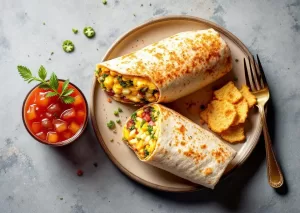
Soho Sushi Burrito is a counter-service argument for the format itself: the sushi burrito succeeds in Las Vegas not because it's novel but because it lets a customer build the roll instead of choosing from a fixed list. The signature move here is the custom protein bowl and burrito line, where diners pick their fish or protein and their sauce and get something closer to a build-your-own poke shop than a traditional sushi counter. The spicy tuna roll burrito reads as the anchor order, the one that shows up across the record as the benchmark version of the format. That customization is the whole pitch: this isn't an omakase room asking a customer to trust the chef's sequence, it's a fast, mixable menu built for someone who wants lunch solved in ten minutes.
The neighborhood context matters. This sits close enough to the Strip, roughly three miles from Caesars Palace by one account, to catch visitors looking for something quick between attractions and near enough to the Sahara corridor to catch a local crowd heading home from an evening out. That dual draw, tourist convenience and local rotation, is unusual: most quick-bite counters lean one way or the other. Here the format itself, sushi as a burrito instead of a plate, works for both audiences because it doesn't require sushi literacy to order confidently.
Freshness of ingredients gets flagged consistently, along with the range of sauce options, which functions as the actual differentiator in a cuisine cluster where the base ingredients (rice, nori, raw or cooked fish) are largely fixed. The price sits at moderate, appropriate for counter service rather than a seated sushi dinner, and the room's whole operating logic, quick turns, customizable orders, no reservation required, positions it as the practical stop rather than the destination one. In a city with a deep sushi scene concentrated on Spring Mountain, this is a different lane entirely: speed and control over ceremony and craft.
© OpenStreetMap
Build the bowl or burrito with a sauce upgrade rather than ordering it plain, and expect a counter-service pace suited to a quick stop rather than a sit-down sushi dinner.
We start with the review record, not a press release. Every room here is a real kitchen with a strong rating across a meaningful number of reviews, ranked on our 10-point Insider Score. We weight consistency over time and the rooms locals return to, not the ones tourists pass through once. The list updates as the data does. How we work →
Hal covers the rooms that earn their reputation the hard way: the long-running kitchens, the specialists, the places Las Vegas quietly agrees on. His reviews start with the record and end with a reason to go.
The new opening, the sleeper the score just flagged, and the one room worth booking this week. Free.